Design clothes that can be worn again and again—across occasions and styles

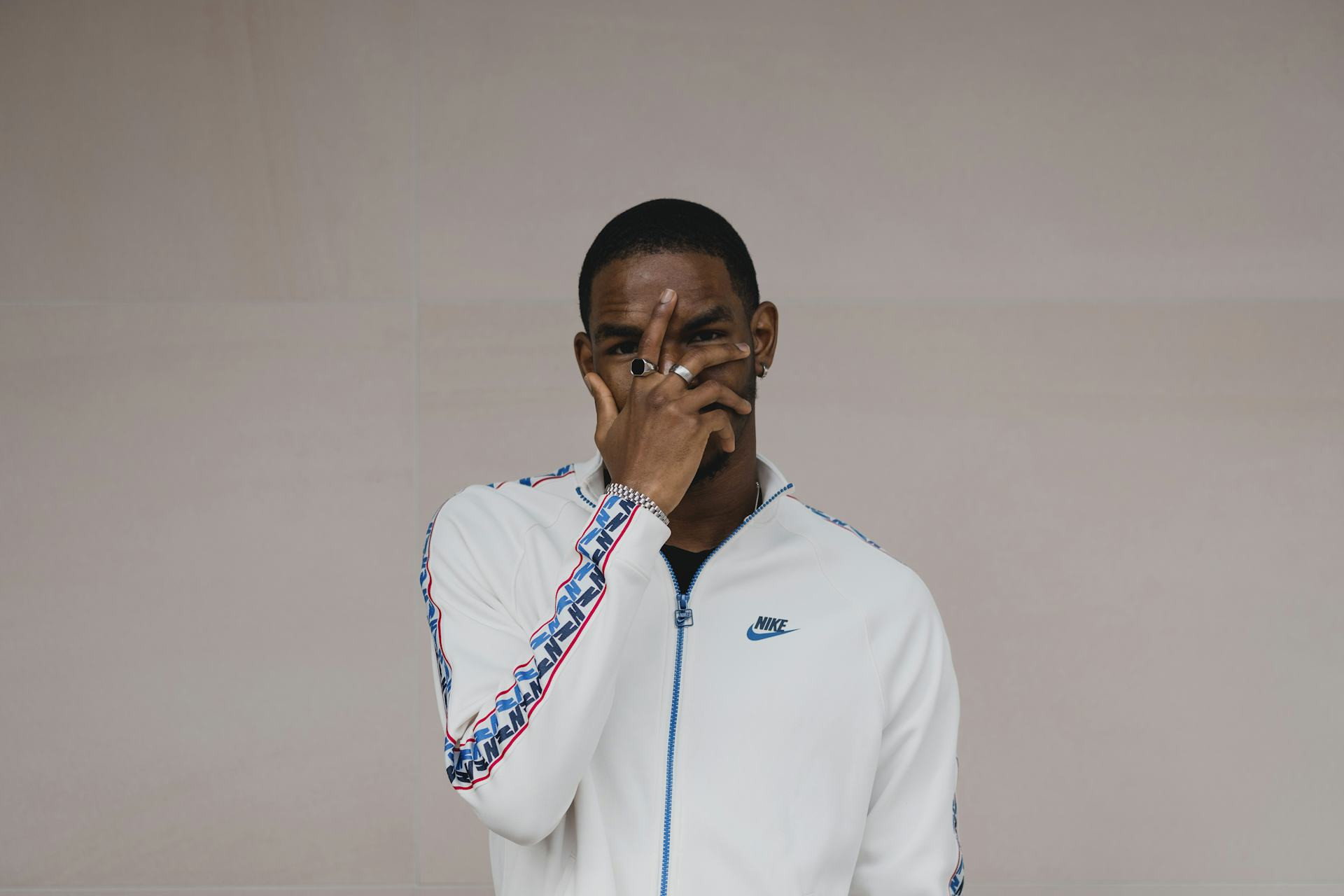
Design clothes that can be worn again and again—across occasions and styles
In a time when sustainability and mindful consumption are becoming central to how we live, it makes sense to think about how we can get more out of the clothes we already own—and how to make smarter choices when we buy new pieces. Designing clothes that can be worn again and again isn’t just about quality; it’s about flexibility: garments that adapt to different occasions, seasons, and personal styles. Here’s how you can build a wardrobe that lasts—in both style and function.
Think function over fashion
The first step toward a versatile wardrobe is choosing clothes that work in many settings. Instead of chasing fast-changing trends, focus on cuts, materials, and colors that stand the test of time.
- Neutral colors like black, navy, beige, and white are easy to mix and match, and can be dressed up or down.
- Simple silhouettes without too many details make clothes more timeless and adaptable.
- Quality fabrics such as wool, cotton, and linen age beautifully and can be repaired when worn.
When you’re shopping, ask yourself: Can I wear this in more than one way? If the answer is yes, you’re already on the right track.
Build a wardrobe that works for you
A wardrobe that fits across occasions doesn’t mean owning more—it means owning better. It’s about having fewer, well-chosen pieces that can be combined in multiple ways.
- A blazer works with jeans or a dress, at the office or out to dinner.
- A button-down shirt can be worn alone, layered under a sweater, or open over a tee.
- A pair of classic trousers can go from casual with sneakers to polished with boots or heels.
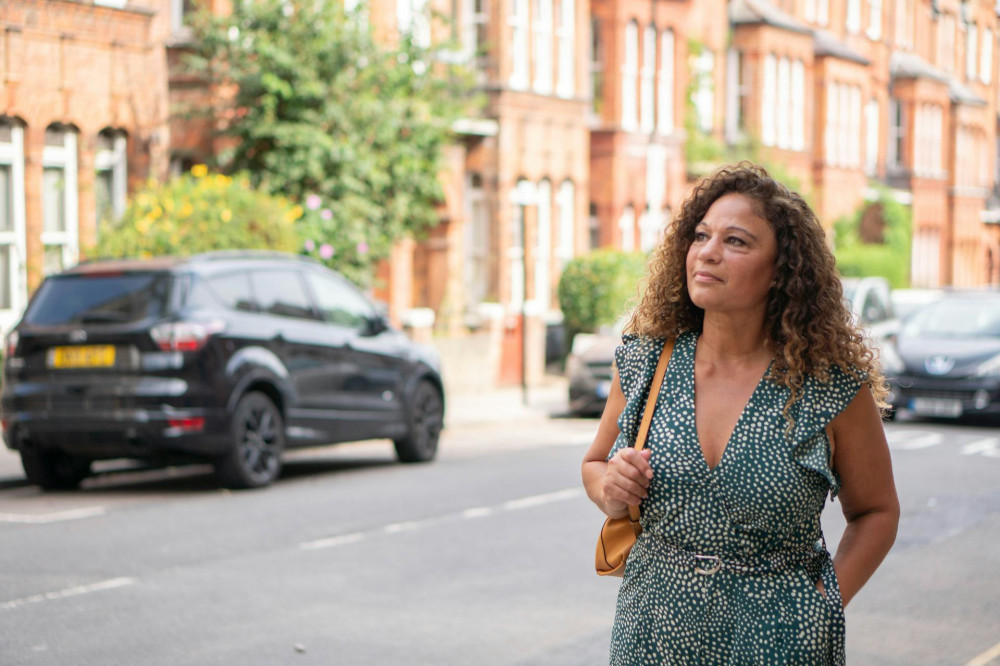
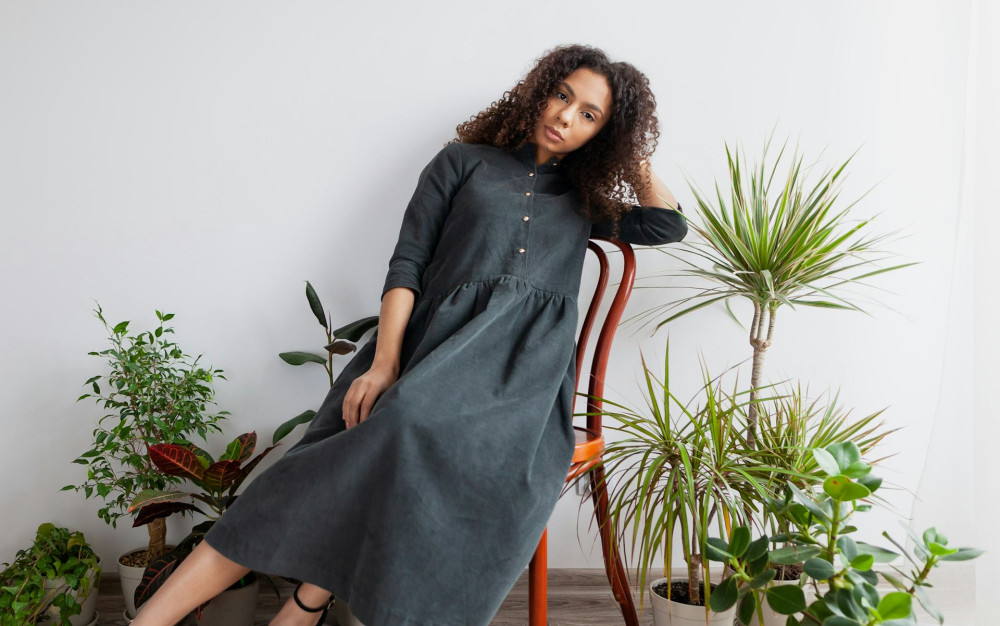
- A simple dress can transform with accessories, a jacket, or different shoes.
By thinking in combinations rather than single outfits, you’ll discover far more possibilities—without expanding your closet.
Læs også:
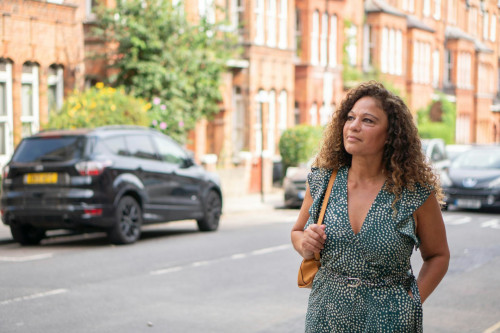


Design with flexibility in mind
For designers and brands, rewearable fashion isn’t just about sustainable materials—it’s also about form and function. A well-designed piece can adapt to different needs and stay relevant longer.
Some labels experiment with modular design, where parts of a garment can be changed or adjusted—like detachable sleeves, reversible jackets, or dresses that tie in multiple ways. Others focus on seasonless design, creating pieces that work year-round with small styling tweaks.
When clothes are designed for flexibility, they naturally become more sustainable—because they’re worn more often and for longer.
Give your clothes new life through styling
Even the simplest outfit can feel fresh with a few thoughtful changes. Accessories, shoes, and layering can transform your look from casual to refined in seconds.
- Swap sneakers for boots and add jewelry for a more formal vibe.
- Use a belt to change the shape of a loose dress or shirt.
- Play with textures—mix knits, silk, and denim for contrast.
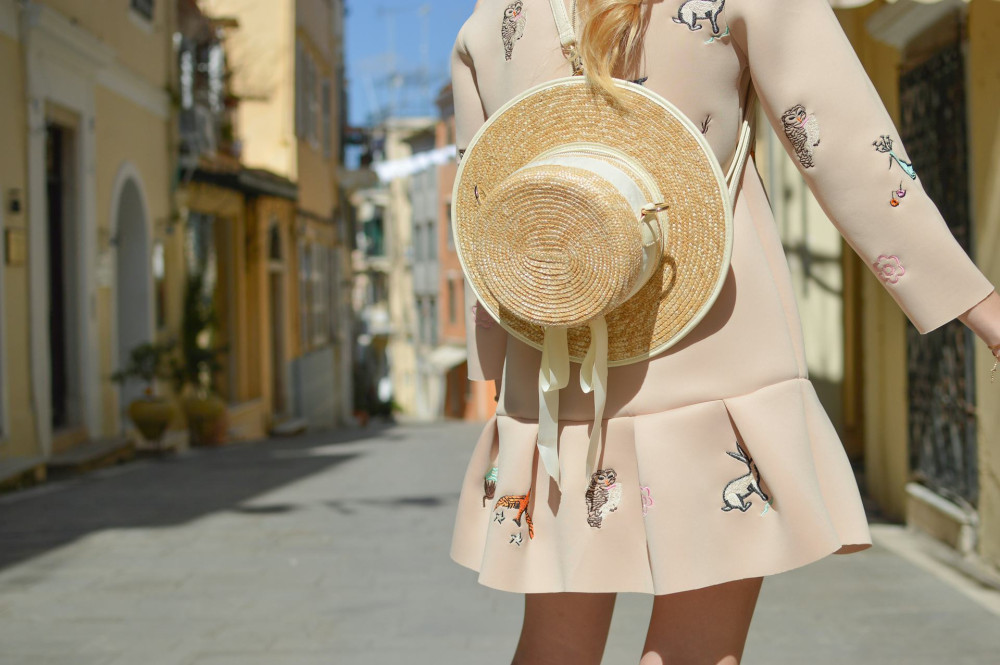
- Add scarves, bags, or colorful accents to show personality.
This way, you can wear the same pieces again and again—without ever feeling repetitive.
Take care of what you own
Long-lasting design also requires long-lasting care. By maintaining your clothes properly, you can extend their life significantly.
- Wash less often and at lower temperatures—it’s gentler on both fabric and the environment.
- Air out clothes instead of washing after every wear.
- Learn basic repairs like sewing on a button or patching a small tear.
- Store garments properly to preserve their shape and color.
Caring for your clothes shows respect for the craftsmanship and resources behind them.
A new way to think about fashion
Designing and wearing clothes that can be used again and again ultimately means rethinking our relationship with fashion. Instead of seeing clothes as temporary, we can view them as part of our lives—pieces that evolve with us.
It’s not necessarily about buying less, but about buying better. When we choose clothes that work across occasions and styles, we invest in quality, creativity, and responsibility. And that’s a kind of fashion that never goes out of style.
Læs også: