Glasses at School: How to Help Your Child Make Them Work Every Day

Glasses at School: How to Help Your Child Make Them Work Every Day
When a child gets glasses for the first time, it can feel like a big change—both practically and emotionally. Some kids are excited about their new look, while others may worry about how their classmates will react. With the right support, understanding, and routines, glasses can quickly become a natural part of your child’s school day. Here’s how you can help your child feel confident and comfortable wearing them every day.
Make Glasses Something Positive
Start by creating a positive story around the glasses. Talk about why they’re important—how they help your child see the board clearly, read without straining, and participate fully in class. You can also point out that many athletes, actors, and other role models wear glasses, and that they’re a normal and even stylish part of life.
Let your child help choose their frames. When kids have a say in the color and style, they’re more likely to wear their glasses proudly. Many optical stores in the U.S. carry durable, kid-friendly designs that balance comfort and personality.
Communicate with the Teacher
It’s a good idea to let your child’s teacher know that your child now wears glasses. The teacher can make sure your child sits where they can see best and can gently remind them to wear their glasses throughout the day. Some children take them off if they feel self-conscious, and a supportive adult can make a big difference.
Teachers can also help create a positive classroom atmosphere where glasses are seen as normal. In most classrooms, several students wear glasses, and normalizing them helps prevent teasing or awkwardness.
Build Good Habits Early
Consistency is key. Help your child remember their glasses each morning by keeping them in a set spot—perhaps next to their backpack or lunchbox. Slip a small cleaning cloth into their pencil case so they can wipe smudges during the day.
If your child plays sports or runs around at recess, consider a strap or sports band to keep the glasses secure. Some families also keep a backup pair at school or in the car in case of accidents.
Prepare for Reactions from Other Kids
Even though glasses are common, some children may still get comments from classmates. Talk with your child about how to respond calmly and confidently. Often, other kids are just curious.
If teasing continues, reach out to the teacher or school counselor. Most U.S. schools have strong anti-bullying policies and can help ensure your child feels safe and supported.
Take Care of the Glasses—Together
Glasses are a tool that needs care, and kids learn best through routine and shared responsibility. Show your child how to store their glasses in a case when not in use and how to clean them properly. Make it a joint effort at first until it becomes second nature.
Having a designated “glasses spot” at home—on a desk, dresser, or nightstand—can also help prevent them from getting lost.
Læs også:


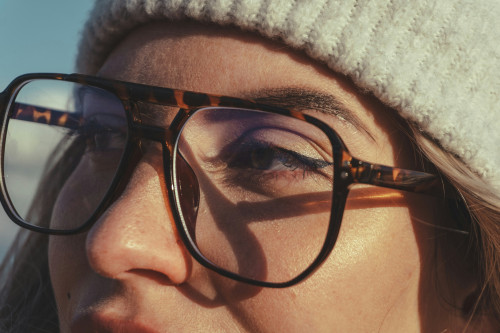
When Glasses Become Part of Everyday Life
After a few weeks, most children adjust to wearing glasses. They notice they can see better, have fewer headaches, and can follow lessons more easily. Praise your child for remembering their glasses and taking care of them—it reinforces responsibility and confidence.
If your child still struggles to wear them, it might be a sign that the prescription needs adjusting or that the frames don’t fit comfortably. A quick visit to the optometrist can usually solve the problem.
A Small Tool with a Big Impact
Glasses may seem like a small thing, but they can make a huge difference in your child’s learning, comfort, and self-esteem. With encouragement at home, communication with teachers, and a little patience, glasses will soon become just another part of your child’s day—helping them see the world clearly and confidently.
Læs også: