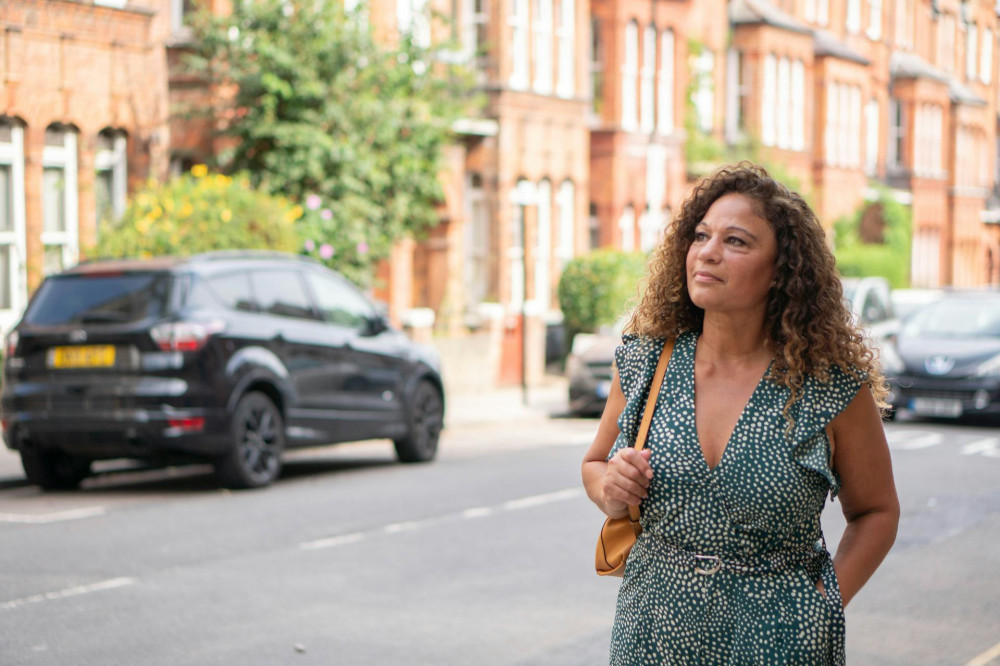
Pants and Shirts: How to Choose the Perfect Match

Pants and Shirts: How to Choose the Perfect Match
Putting together pants and shirts might sound simple, but the right combination can make the difference between looking polished or mismatched. Color, fit, fabric, and occasion all play a role in creating a balanced outfit. Here’s a guide to help you choose combinations that look great and feel right for any situation.
Know Your Style and the Occasion
Before picking out clothes, think about where you’re going and what impression you want to make. A business meeting calls for something different than a weekend brunch or a night out.
- Formal look: Stick with classic colors like navy, charcoal, or black pants paired with a crisp white, light blue, or pale pink shirt. Add a blazer or tie for a refined finish.
- Smart casual: This is where you can experiment a bit. Chinos in khaki, olive, or navy pair well with patterned shirts or soft fabrics like flannel or chambray.
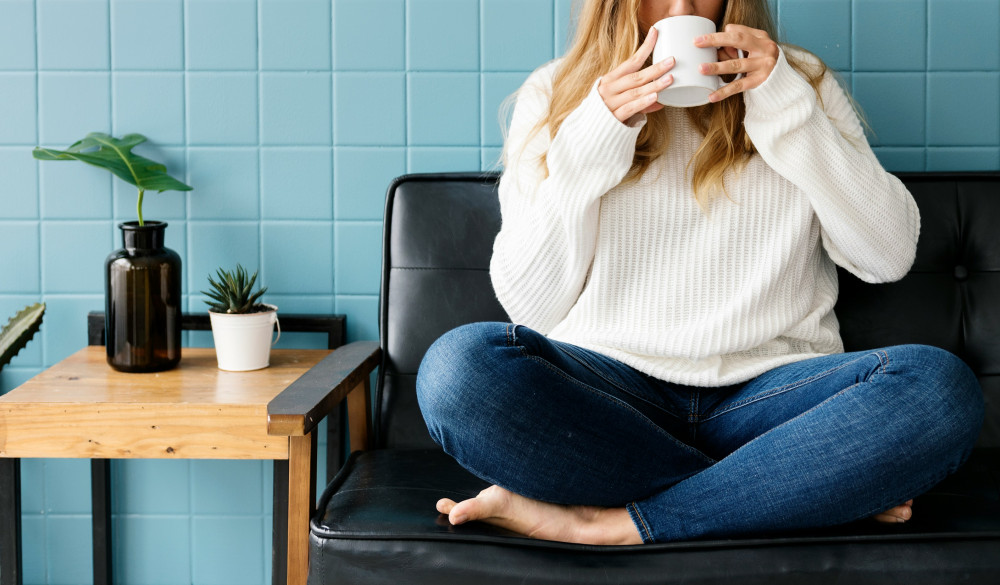
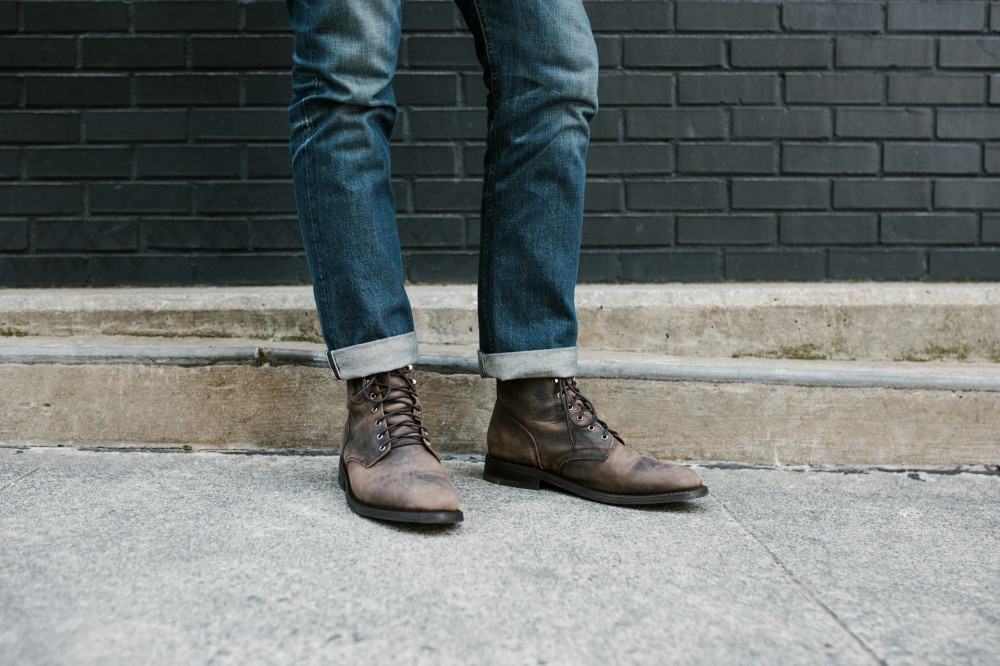
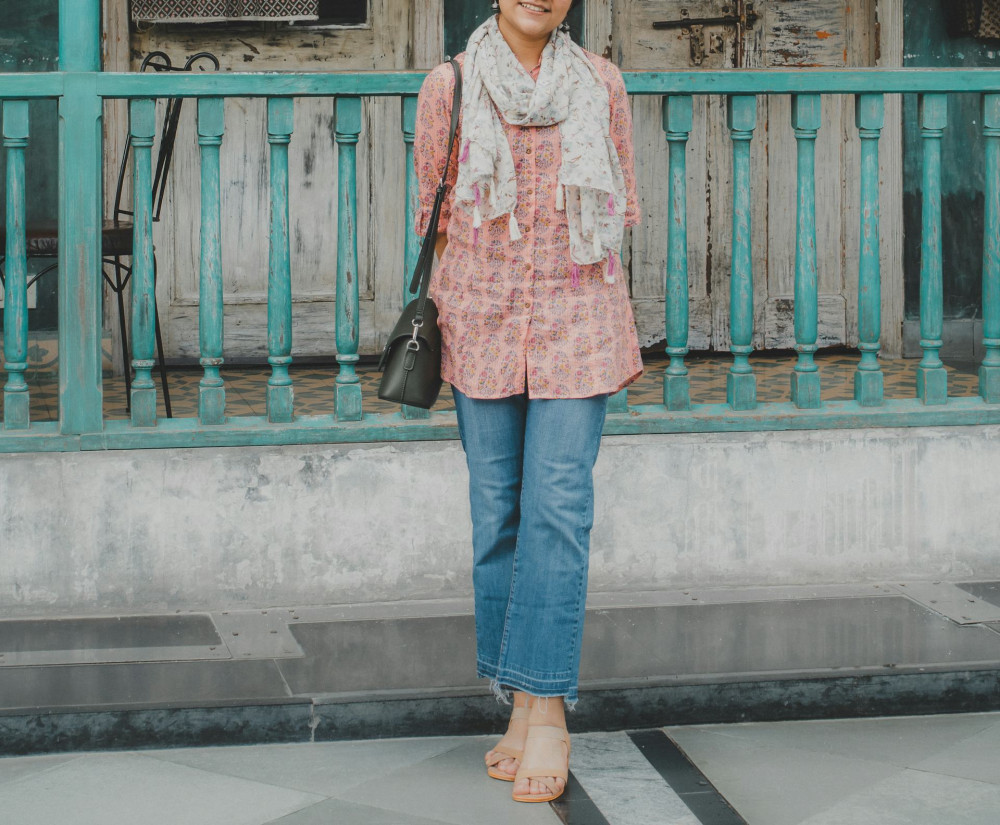
- Casual everyday: Jeans and a relaxed shirt—maybe with rolled-up sleeves—create an effortless but put-together vibe.
Once you know the occasion, it’s much easier to choose the right combination.
Colors That Work Together
Color can make or break an outfit. A good rule of thumb is to stick to two or three main colors and let one of them be neutral.
- Neutral tones like white, gray, beige, navy, and black form a solid base and mix easily with other shades.
- Contrast adds interest—try a dark shirt with light pants or the other way around.
- Patterns need balance: if your shirt has stripes or checks, keep your pants solid to avoid clashing.
If you’re unsure, stay within the same color family—earth tones or cool blues, for example—for a cohesive, harmonious look.
Fabrics and Textures
A great outfit isn’t just about color; texture matters too. A heavy flannel shirt rarely works with lightweight summer pants, and a silky dress shirt can look out of place with rugged jeans.
- Cotton and denim are everyday staples—durable and comfortable.
- Wool and flannel add warmth and texture for fall and winter.
- Linen and lightweight cotton are perfect for summer, keeping you cool and relaxed.
Think about the season and let the materials complement each other rather than compete.
Fit—The Most Important Factor
Even the best color combination won’t look right if the clothes don’t fit properly. A good fit makes you look sharp, whether you’re in jeans or dress pants.
- Pants should fit comfortably at the waist and fall just above your shoes without too much bunching.
- Shirts should follow your body’s shape but still allow movement. Sleeves should end at the wrist, and the collar should sit neatly without feeling tight.
If possible, have your clothes tailored. Small adjustments can make a big difference in how you look and feel.
Accessories That Pull It All Together
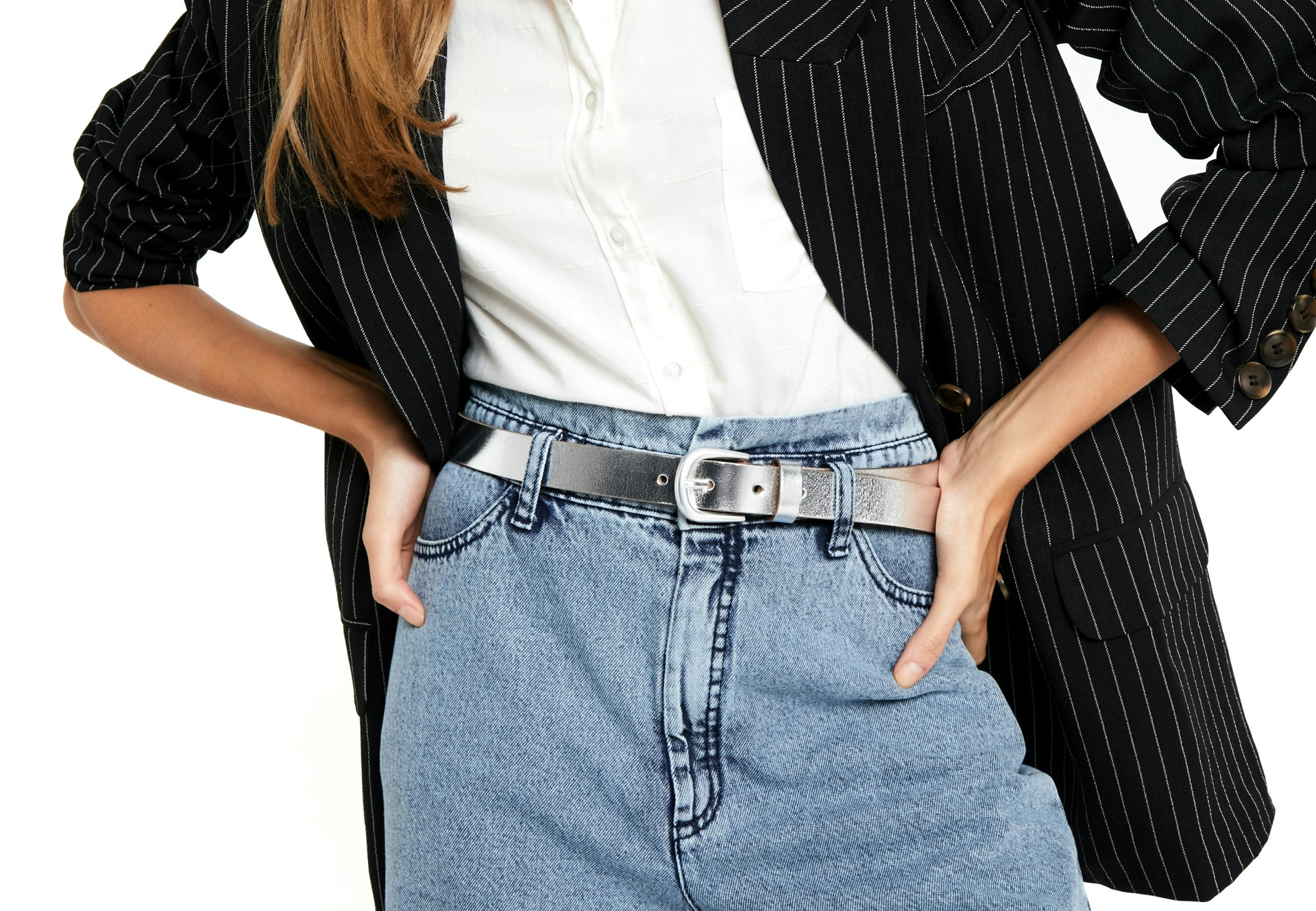
A belt, watch, or pair of shoes can complete your outfit. Match your belt to your shoes, and choose accessories that fit the overall style. Leather belts and dress shoes for formal looks; canvas belts and sneakers for casual days.
If you wear your shirt untucked, make sure the length is right—it should cover your waistband but not hang too low. Details like rolled sleeves or an open collar can add a personal touch.
Læs også:
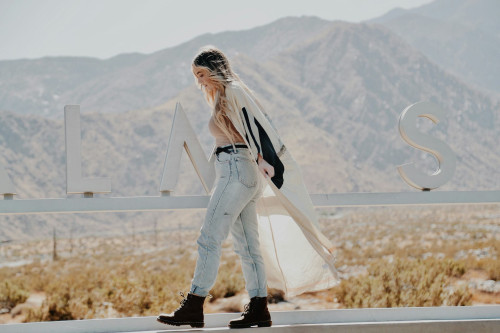
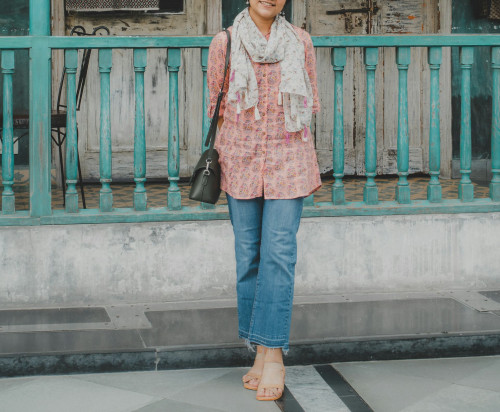
Find Your Own Combination
There are no strict rules, only guidelines. The most important thing is to feel comfortable and confident in what you wear. Experiment with different colors, fits, and fabrics, and notice what makes you feel your best.
Once you’ve found the combinations that suit you, dressing well becomes effortless—whether it’s for work, a weekend outing, or a special occasion.
Læs også: