Beauty Without Borders: How Globalization Has Shaped Today’s Beauty Trends
Beauty Without Borders: How Globalization Has Shaped Today’s Beauty Trends
Today, beauty knows no borders. Social media, international brands, and global trade have made it possible for trends to travel across continents in a matter of hours—from Seoul to New York, from Lagos to Los Angeles. Globalization has not only changed how we look but also how we understand beauty itself. Ideals have become more diverse, and inspiration now flows freely from every corner of the world. But what does this global exchange really mean for the way we think about beauty?
From Western Ideals to Global Diversity
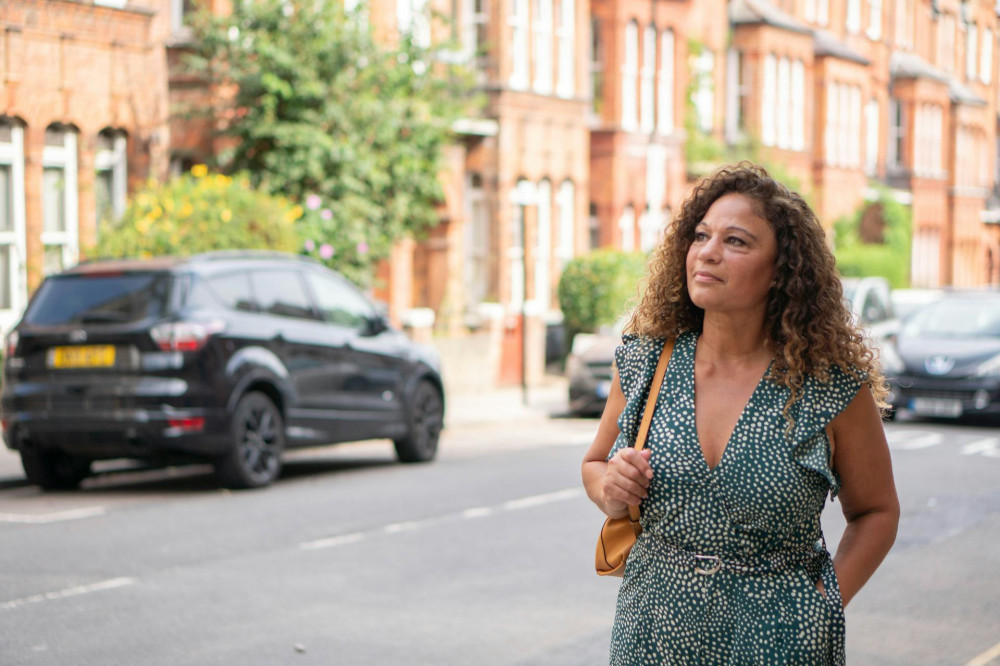
For decades, Western beauty standards—fair skin, straight hair, and specific body types—dominated the global stage. But as the internet and social media connected people across cultures, the picture became far more complex. K-pop idols, African influencers, and Latin American beauty icons have gained international influence, challenging old norms and expanding the definition of beauty.
This shift has made the beauty industry more inclusive. Brands now offer products for a wider range of skin tones, hair textures, and cultural expressions. Beauty is no longer about fitting into one mold—it’s about celebrating individuality and authenticity.
The Rise of K-Beauty, J-Beauty, and the Asian Wave
One of the clearest examples of globalization’s impact is the rise of Asian beauty trends. K-beauty from South Korea and J-beauty from Japan have transformed skincare routines worldwide with their focus on hydration, layering, and natural glow. Products like sheet masks, essences, and BB creams have become staples in American bathrooms.
These approaches emphasize self-care as much as appearance. The ritual itself—taking time to care for your skin—has inspired a more holistic understanding of beauty, one that values mindfulness and well-being alongside results.
African and Latin American Influence
At the same time, African and Latin American beauty traditions have gained global recognition. Ingredients like shea butter, argan oil, and marula oil are now common in international products. Haircare for curly and textured hair has seen a renaissance, and natural styles such as afros, braids, and twists are celebrated as expressions of identity and pride.
In Latin America, bold colors and vibrant makeup have long been part of the culture, inspiring global trends that emphasize confidence and self-expression. These influences show how beauty can be both deeply rooted in local traditions and universally appealing.
Læs også:
Social Media as a Global Mirror
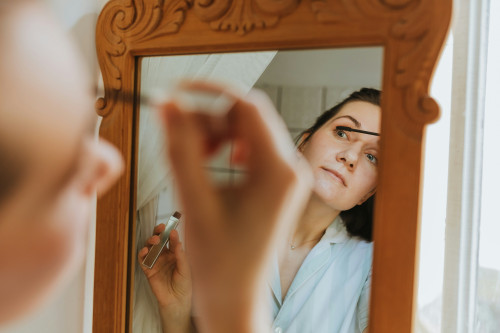
Platforms like Instagram, TikTok, and YouTube have turned beauty into a global conversation. A makeup technique from Brazil can go viral in the U.S. within days, and a Korean skincare routine can reach millions of viewers around the world.
This democratization of beauty means that power no longer lies solely with big brands or fashion houses. Consumers—especially younger generations—are now co-creators of trends. At the same time, there’s a growing demand for authenticity and representation: people want to see real faces, not just airbrushed perfection.
Sustainability and Ethics as New Ideals
Globalization has also made consumers more aware of where their products come from and how they’re made. There’s increasing demand for sustainable ingredients, fair trade practices, and recyclable packaging. This shift has pushed the beauty industry to innovate ethically and environmentally.
The rise of “slow beauty” reflects this change—fewer, higher-quality products and a more mindful approach to consumption. It’s a global response to the fast-paced, image-driven culture of social media, encouraging balance and intentionality.
Beauty as Cultural Exchange
Globalization has turned beauty into a shared language. When we exchange techniques, products, and traditions across cultures, we also exchange understanding and respect. But this exchange requires sensitivity—cultural inspiration should not become cultural appropriation.
Borrowing from other cultures can be a form of appreciation when done with respect and awareness. Beauty without borders is about finding that balance: being inspired by others while honoring their origins.
A New Era of Beauty
Globalization has made beauty more inclusive, conscious, and personal. The ideal is no longer a single standard but the celebration of diversity itself. We’re moving away from perfection and toward authenticity—where beauty lies in difference, not uniformity.
Beauty without borders is more than a reflection of global influence; it’s a new way of seeing the world. It reminds us that through sharing rituals, traditions, and creativity, we can find common ground—and discover the beauty in what makes each of us unique.
Læs også: