Contouring for Beginners: How to Highlight Your Face’s Natural Shape

Contouring for Beginners: How to Highlight Your Face’s Natural Shape
In just a few years, contouring has gone from a professional makeup artist’s secret to a staple in many people’s everyday routines. The goal isn’t to change your face but to enhance your natural features—your cheekbones, jawline, and nose—using light and shadow. With the right products and a bit of practice, you can create a balanced, fresh look that still feels like you. Here’s a simple guide to help you get started with contouring.
What Is Contouring?
Contouring is all about using darker and lighter shades to create the illusion of depth and dimension on your face. The darker tones define and sculpt, while the lighter ones highlight and bring forward the areas you want to emphasize. When done with a light hand, the result is a naturally enhanced look that flatters your features.
Læs også:




Know Your Face Shape
Before you start, it helps to identify your face shape. This will guide you in placing shadows and highlights in the most flattering spots.
- Oval face: This balanced shape needs only subtle contouring under the cheekbones and a touch of highlight along the nose bridge and cheekbones.
- Round face: Apply contour along the sides of your forehead and under your cheekbones to add definition and elongate the face.
- Square face: Soften the jawline with a bit of contour and highlight the center of your face to draw attention inward.
- Heart-shaped face: Balance a wider forehead by contouring the temples and adding highlight to the chin.
Knowing your face shape helps you work with your natural structure instead of against it.
Choose the Right Products
There are many types of contour products—creams, powders, and sticks—so choose what fits your skin type and desired finish.
- Cream-based products create a dewy, natural look and are easy to blend.
- Powder products give a matte, defined finish and work well for oily skin.
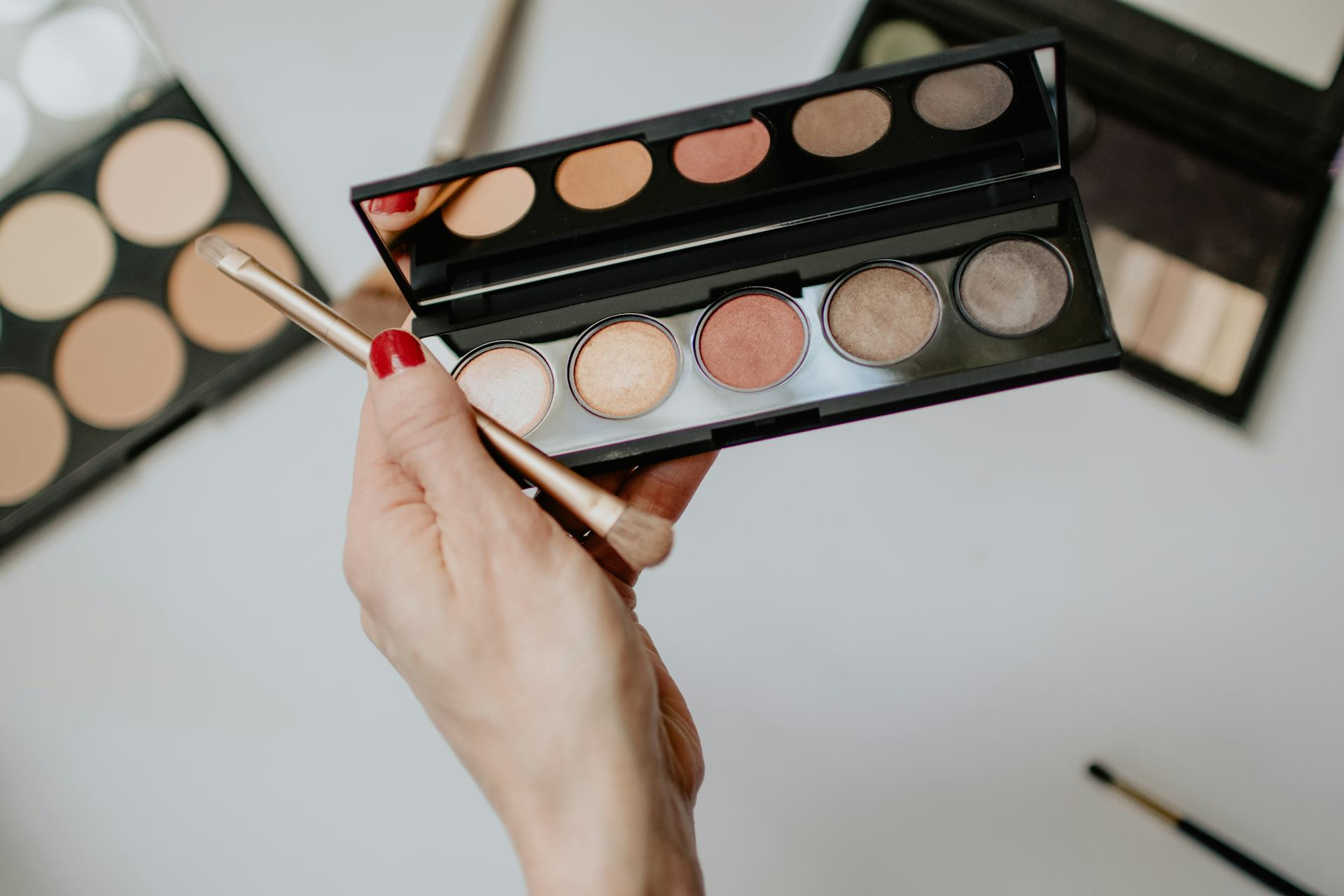
- Contour sticks or palettes are convenient if you want everything in one place.
Pick a contour shade that’s one to two tones darker than your skin tone and a highlight that’s one to two tones lighter. Avoid shades that are too orange or gray, as they can look unnatural.
Step-by-Step Guide
- Prep your skin: Start with moisturizer and, if you like, a primer to help your makeup go on smoothly.
- Apply foundation: Create an even base before adding contour and highlight.
- Add contour: Apply the darker shade under your cheekbones, along your jawline, at your temples, and optionally along the sides of your nose.
- Add highlight: Use the lighter shade on the bridge of your nose, the center of your forehead, under your eyes, and on the tops of your cheekbones.
- Blend well: Use a makeup sponge or brush to blend everything together so there are no harsh lines.
- Set with powder: Finish with a light dusting of translucent powder to keep your makeup in place all day.
Keep It Natural
One of the most common beginner mistakes is using too much product. Contouring shouldn’t look like a mask—it should simply add subtle dimension. Start with small amounts and build up gradually. Good lighting is key, too: try to contour in natural daylight so you can see how the colors truly appear on your skin.
Another tip is to use a touch of blush or bronzer to soften the transition between contour and highlight. This adds warmth and makes the look more seamless.
Make It Work for Everyday Life
You don’t need a full contour routine every day. For a quick, everyday look, a bit of contour under the cheekbones and a touch of highlight on the nose and cheekbones are enough. For special occasions or photos, you can go more detailed with extra layers and precision.
Ultimately, contouring is about balance—enhancing what you already have and feeling confident in your own natural beauty.
Læs også: