Classic Jewelry in a New Light: Modern Interpretations of Timeless Designs


Classic Jewelry in a New Light: Modern Interpretations of Timeless Designs
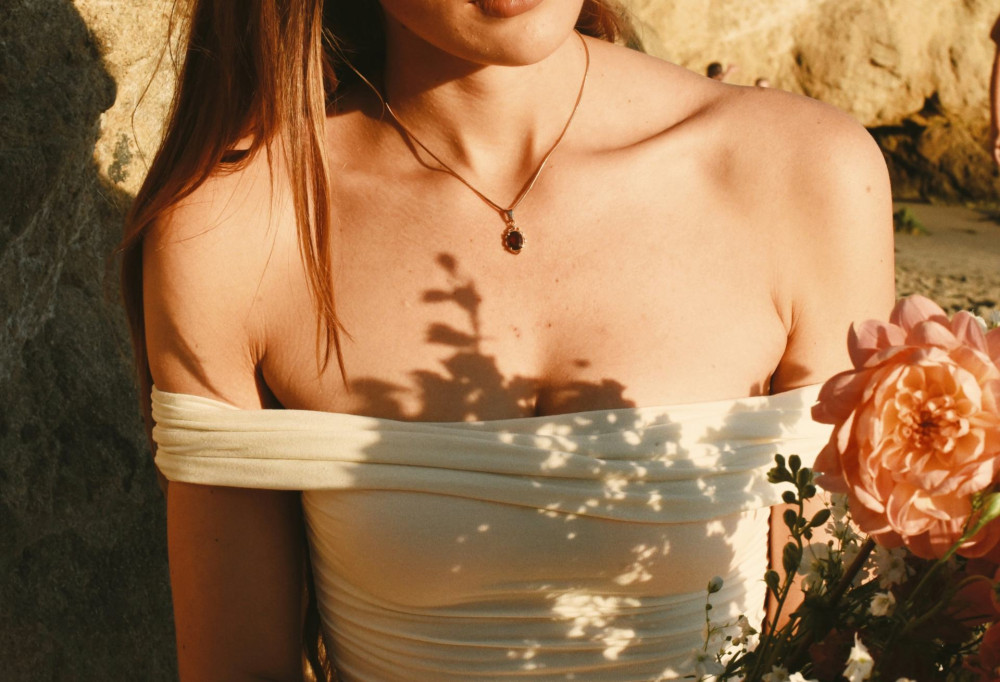
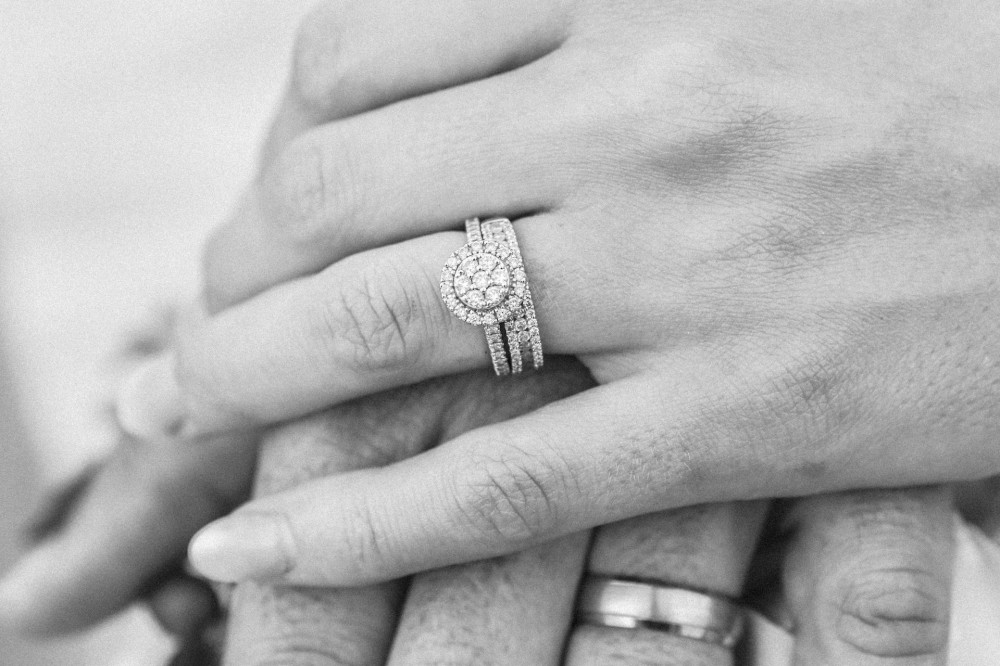
Classic jewelry has always held a special place in the world of fashion. It represents craftsmanship, heritage, and elegance — yet today, it’s being reimagined by modern designers who seek to blend tradition with contemporary aesthetics. The result is jewelry that honors the past while speaking to the style sensibilities of today’s consumers.
When Tradition Meets Innovation
Timeless designs such as the pearl necklace, the signet ring, and the simple gold bangle have endured for generations because of their enduring forms and materials. In recent years, however, many American jewelry designers have revisited these icons to create something fresh and relevant.
Pearls are now set in asymmetrical earrings, signet rings are given sleek, minimalist lines, and vintage heirlooms are being transformed into bold, modern statement pieces. The goal isn’t to replace tradition, but to give it new life.
Læs også:



Reviving Heritage Through Redesign
A growing trend in the jewelry industry is the desire to preserve history through materials. Many people are choosing to have family heirlooms redesigned to fit modern tastes — without losing their sentimental value.
Jewelers across the U.S. report increasing demand for melting down old gold chains, reusing gemstones, or combining vintage elements with contemporary forms. This approach not only gives jewelry a personal story but also supports a more sustainable way of creating and wearing fine pieces.
Minimalism with Meaning
While classic jewelry was often ornate and detailed, many modern designers are embracing simplicity. A thin gold band, a single diamond stud, or a delicate chain can now make just as strong a statement as a large, elaborate piece.
Minimalism isn’t about removing everything — it’s about letting the material and form speak for themselves. This aesthetic fits perfectly with the modern lifestyle, where jewelry needs to transition effortlessly from day to night, from casual to formal.
New Materials and Modern Techniques
Technological innovation has opened up entirely new ways to create jewelry. 3D printing, lab-grown diamonds, and advanced metal alloys allow designers to experiment with form and function like never before.
At the same time, there’s a growing interest in alternative materials such as ceramics, wood, and recycled silver. These choices give jewelry an artistic and eco-conscious edge, challenging our traditional ideas of what “classic” jewelry should be.
Jewelry as Personal Expression
Today, jewelry is less about status and more about identity. Many Americans choose pieces that reflect their values, lifestyle, and personality. It might be a redesigned heirloom that connects them to their roots, or a new piece that marks a personal milestone.
This shift toward individuality means that classic designs are no longer tied to a single style. They can be customized, layered, and reinterpreted in countless ways — which is precisely what keeps them timeless.
Timelessness in Transformation
Classic jewelry will always captivate because it represents something constant in a world that’s always changing. Yet its continued relevance lies in its ability to evolve.
When designers and wearers collaborate to reinterpret traditional forms, a new kind of timelessness emerges — one that embraces the elegance of the past while celebrating the freedom and creativity of the present.
Læs også: