The Ring as Symbol: Myths, Fairy Tales, and Meanings Through the Ages

The Ring as Symbol: Myths, Fairy Tales, and Meanings Through the Ages
The ring is one of humanity’s oldest and most enduring symbols. It appears in myths, religions, fairy tales, and everyday rituals across the world—from ancient Egypt to modern wedding ceremonies. This small circle of metal carries meanings that range from love and eternity to power and obligation. But why has the ring, of all objects, come to hold such deep significance, and how has its symbolism evolved through the ages?
The Circle as Archetype – The Symbol of Eternity
At its core, the ring is a circle—without beginning and without end. Since ancient times, the circle has represented the sun, the moon, and the cycles of life. In Egypt, rings were worn as signs of eternity and divine protection. In Greek and Roman cultures, they served as seals that bound the wearer to authority and legitimacy.
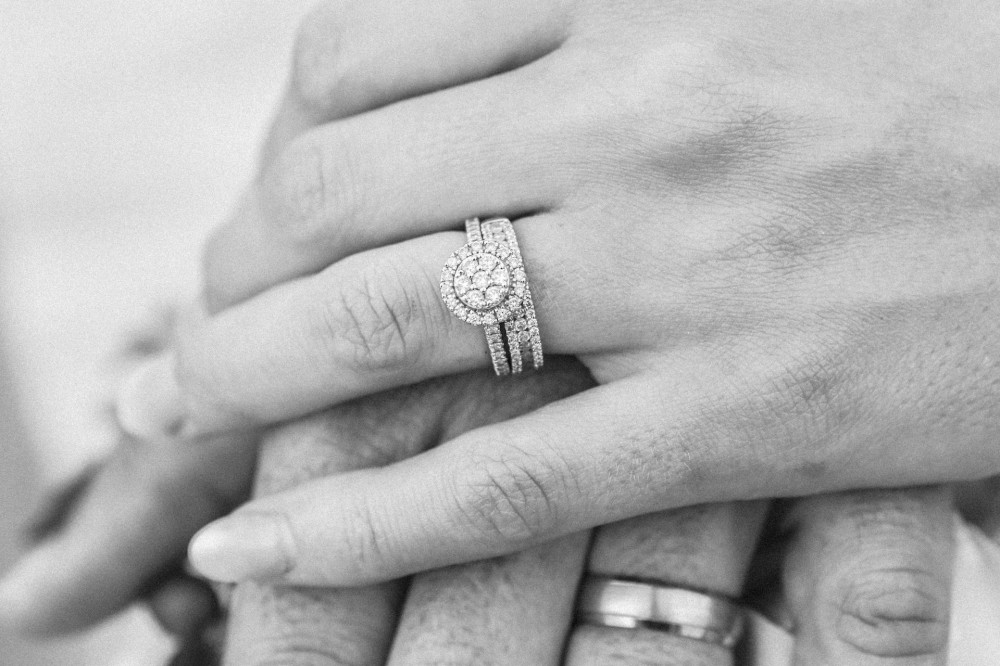
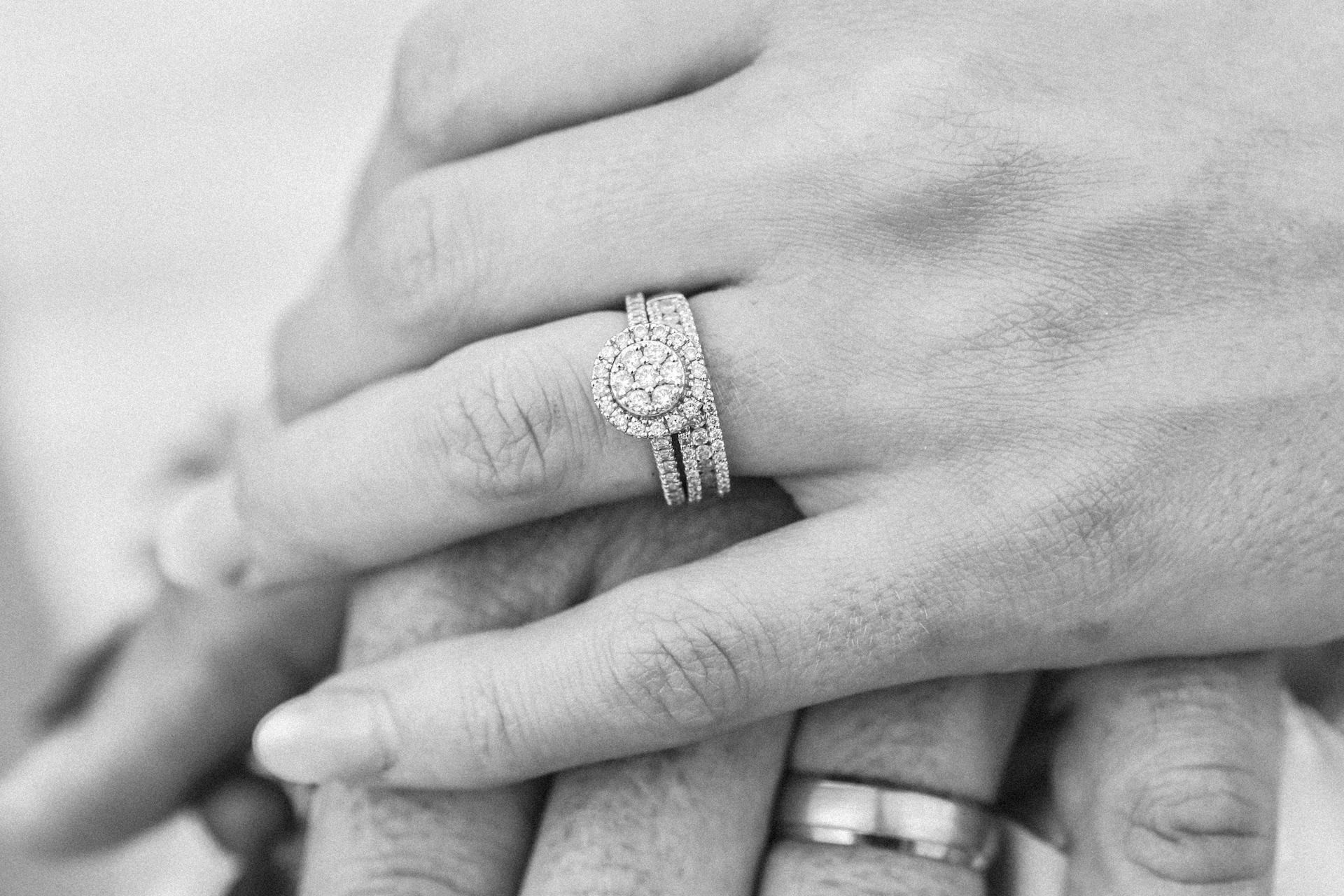
The closed form of the ring made it a natural emblem of continuity and unbreakable bonds. When two people exchange rings at a wedding, the gesture is more than decorative—it is a promise of permanence, a circle that should never be broken.
Læs også:




Rings in Myth and Religion
In many mythologies, the ring appears as a magical object that grants its bearer special powers or insight. In Norse legend, Odin’s ring Draupnir drips eight new rings every ninth night—a symbol of abundance and eternal renewal. In Greek lore, the story of King Polycrates’ ring, cast into the sea and later returned, speaks to the inevitability of fate.
Religious traditions have also embraced the ring as a sign of covenant and authority. Popes, bishops, and monarchs have worn signet rings as tokens of divine or earthly power. To kiss a ring was to acknowledge the authority it represented. In Jewish and Christian contexts, the ring became a symbol of sacred promise—between God and humanity, between husband and wife.
The Ring in Fairy Tales – Power, Temptation, and Transformation
In fairy tales and literature, the ring often serves as a catalyst for transformation. It can grant invisibility, power, or passage between worlds. Yet it also carries a warning: power can corrupt. The most famous literary ring of modern times is undoubtedly the one at the heart of J.R.R. Tolkien’s epic tale of good and evil—a story that draws deeply on ancient mythic symbolism.
The ring in such stories is rarely just a piece of jewelry. It is a test of character, a mirror of human desire and morality. The one who wears it must prove whether they can resist its temptation—and in doing so, reveal their true nature.
From Status to Love – The Ring in Everyday Life
Today, most people associate rings with love and relationships. Engagement and wedding rings have become universal symbols of fidelity and unity. Yet throughout history, rings have served many other purposes: as marks of social rank, as protective amulets, or as memorials to the dead.
In the Middle Ages, knights and nobles wore rings engraved with family crests, while guild members used them to signify belonging. In the nineteenth century, mourning rings containing hair, miniature portraits, or inscriptions became popular keepsakes—a way to preserve connection with those who had passed.
The Modern Ring – Between Tradition and Individuality
In the modern world, the ring is both a personal and cultural statement. It can be minimalist or ornate, traditional or avant-garde. Some couples design their own wedding rings to create a unique symbol of love, while others wear rings as fashion statements or spiritual talismans.
Yet the ancient meanings endure. When we slip a ring onto a finger, we repeat a ritual that has existed for thousands of years—a small but powerful gesture that something is bound, committed, and infinite.
A Circle Unbroken
The ring has survived changing times, cultures, and interpretations because it speaks to something fundamentally human: the desire for connection, continuity, and meaning. Whether worn as a token of love, a sign of power, or a piece of art, the ring always points back to the same idea—that what truly matters should endure.
Læs også: