Layering: How to Make Your Wardrobe Work Year-Round

Layering: How to Make Your Wardrobe Work Year-Round
A versatile wardrobe isn’t about owning as much as possible—it’s about making what you have work in every season. The secret is layering. By learning how to combine pieces in smart, functional ways, you can stay comfortable and stylish whether it’s a chilly January morning in Chicago or a humid August evening in Atlanta. With the right basics and an understanding of materials, you can build a wardrobe that adapts to the weather and your lifestyle all year long.
What Does Layering Mean?
Layering is the art of building your outfit in multiple layers that can be added or removed depending on temperature and activity. It’s a practical approach that keeps you comfortable without sacrificing style. The concept is simple and usually involves three layers:
- The base layer – the one closest to your skin, designed to manage moisture and provide comfort.
- The middle layer – the insulating layer that traps warmth.
- The outer layer – the protective layer that shields you from wind, rain, or snow.
While this principle comes from outdoor gear, it works just as well for everyday dressing. The key is choosing fabrics and fits that suit your personal style.
Start with a Solid Base Layer
The base layer is the foundation of your outfit. It should feel good against your skin and be versatile enough to wear on its own when the weather is mild.
- Cotton or merino wool T-shirts are great options. Cotton is breathable and classic, while merino wool regulates temperature and resists odor.
- Lightweight button-down shirts in cotton or chambray can be worn alone or under sweaters and jackets.
- Long-sleeve undershirts are lifesavers on cold days, especially under flannels or knits.
Stick to neutral colors—white, gray, navy, and black—so you can mix and match easily.
The Middle Layer – Warmth and Texture
The middle layer adds warmth and depth to your outfit. This is where you can play with texture and structure.
- Wool sweaters in merino or lambswool are timeless and insulating.
- Sweatshirts and hoodies offer a relaxed, casual vibe and pair well under coats.
- Shirt jackets or overshirts are perfect for transitional weather—they can act as a light jacket in spring or an extra layer in winter.
- Vests, whether quilted or down-filled, provide warmth without bulk.
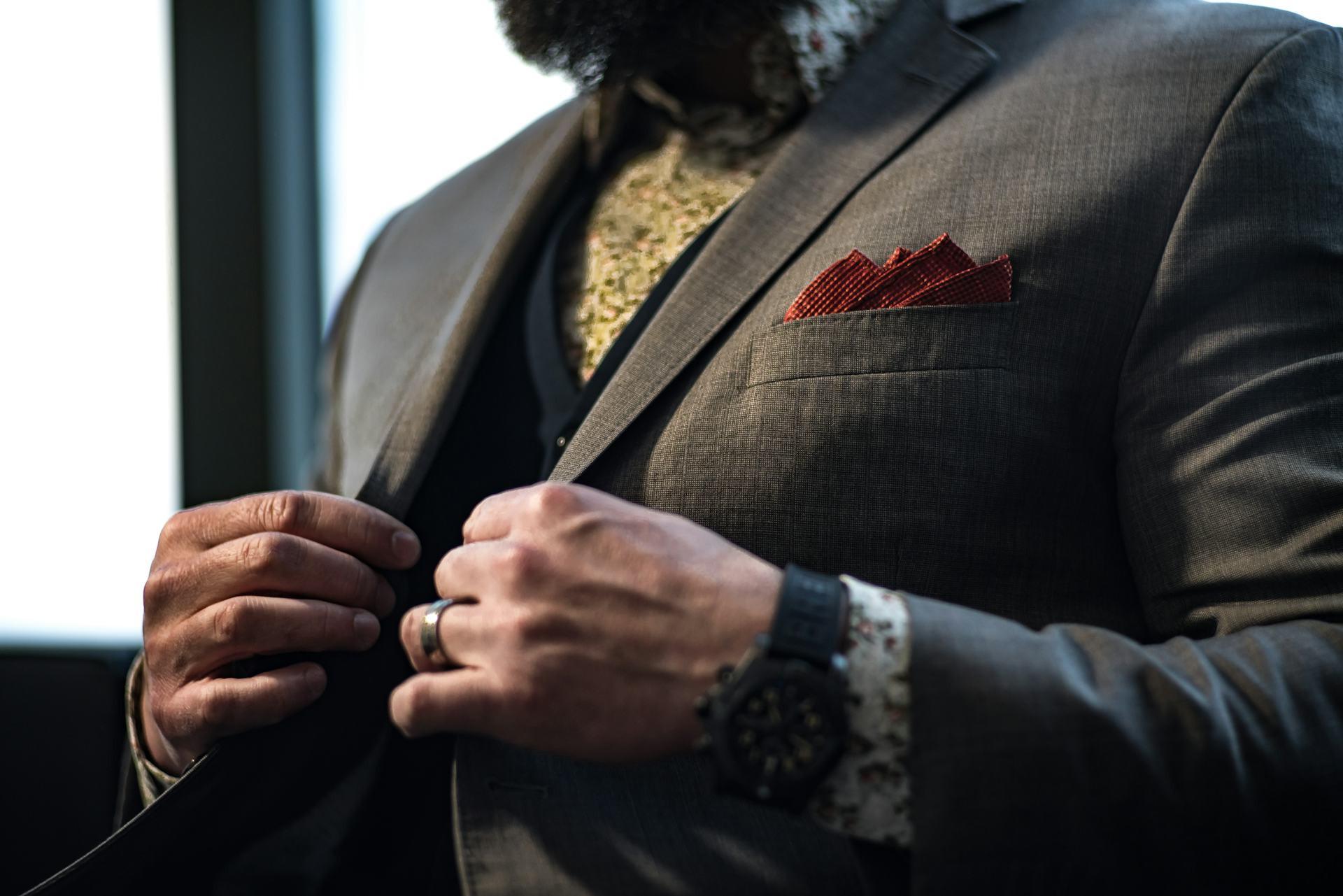
Mixing textures—like a chunky knit over a crisp shirt or a sleek vest over a thin turtleneck—adds visual interest and balance.
The Outer Layer – Protection and Style
Your outer layer should protect you from the elements while complementing your everyday look. Investing in a few quality jackets will go a long way.
- A classic wool coat is essential for winter and works for both office and weekend wear.
- A lightweight rain jacket or trench coat is ideal for spring and fall.
- A denim or bomber jacket gives a laid-back, American-casual feel and works well in mild weather.
- A technical shell made from waterproof or windproof materials is perfect for outdoor adventures or travel.
Choose outerwear in versatile shades like navy, olive, or camel so it pairs easily with the rest of your wardrobe.
Adjust with the Seasons—Without Replacing Everything
A flexible wardrobe doesn’t mean constant shopping. It’s about using what you have in different ways. In summer, you might only need a T-shirt and a light overshirt. As temperatures drop, add a sweater or switch to heavier fabrics.
A helpful habit is to rotate your wardrobe seasonally. Store off-season items neatly so you can see what’s available when the weather changes. This not only keeps your closet organized but also extends the life of your clothes.
Materials That Make a Difference
The success of layering depends on the quality and function of your fabrics.
- Wool insulates and regulates body temperature.
- Cotton is breathable and comfortable for everyday wear.
- Linen is lightweight and perfect for summer.
- Technical fabrics like nylon or polyester blends are great for outer layers that need to resist water or wind.
Combining natural fibers with modern materials gives you the best of both worlds—comfort, performance, and durability.
Læs også:



Make It Your Own
Layering isn’t just about practicality—it’s also a chance to express your personal style. Use color, pattern, and accessories to make your outfits unique. A bright sweater under a neutral coat or a patterned scarf can bring life to an otherwise simple look.
Ultimately, the goal is to feel comfortable and confident in what you wear. When your clothes work for you in every season, you’ll find yourself reaching for them again and again—and that’s what makes a wardrobe truly versatile.
Læs også: