Office Wear with an Edge: How to Balance Professional and Personal Style


Office Wear with an Edge: How to Balance Professional and Personal Style
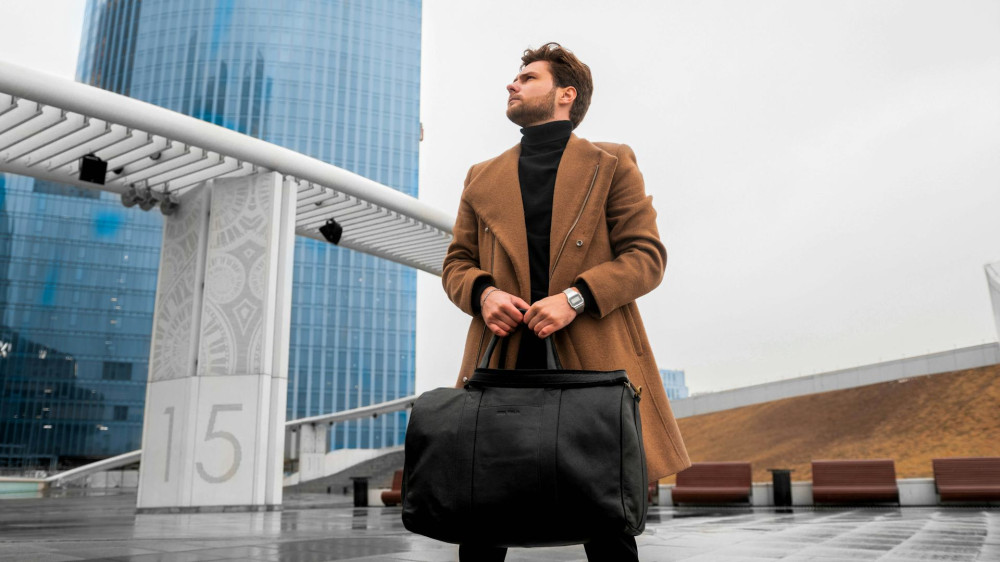
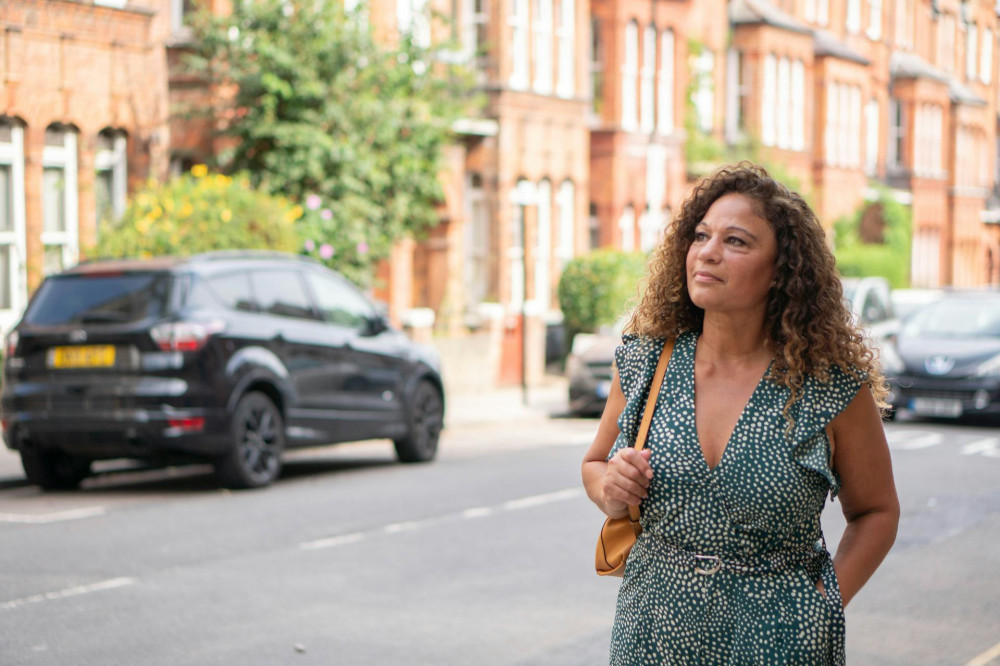
How do you dress professionally without losing your individuality? It’s a question many Americans ask themselves each morning while standing in front of the closet. Office wear today is about more than just looking polished—it’s about expressing confidence, authenticity, and respect for your workplace culture. Here’s how to strike the right balance between professional and personal style.
Know Your Workplace Dress Code
Before experimenting with colors, patterns, and accessories, it’s essential to understand what’s expected in your office. A law firm, a marketing agency, and a tech startup each have very different ideas of what “appropriate” looks like.
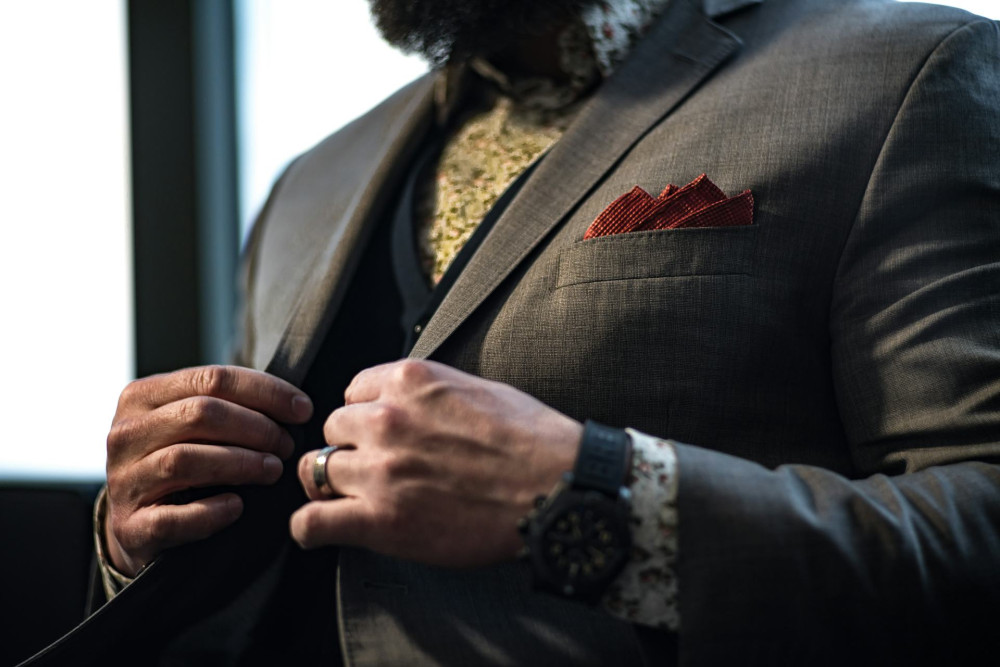
- Formal environments usually call for classic cuts, neutral tones, and subtle details. You can still show personality through small touches—like a distinctive watch, tie, or pair of shoes.
- Creative workplaces often allow more freedom. Here, you can play with color, texture, and modern silhouettes, as long as the overall look remains intentional and put-together.
- Casual offices may have a relaxed vibe, but that doesn’t mean showing up in sweats. A pair of tailored chinos and a crisp shirt can strike the perfect balance.
Knowing the boundaries makes it easier to bend them with style.
Build a Versatile Wardrobe
A functional office wardrobe is built on pieces that mix and match easily. This makes it simple to vary your look without owning an overflowing closet.
- Invest in essentials like a navy or charcoal blazer, well-fitted trousers, crisp white and light blue shirts, and quality shoes.
- Add personal touches such as a colorful sweater, a patterned scarf, or a textured jacket.
- Think in layers so you can adapt to both the season and the office air conditioning.
Once you’ve mastered the basics, you can shift your look from formal to relaxed just by changing a few details.
Use Color and Pattern Thoughtfully
Color is a powerful way to express personality, but it should be used with care. A bold shirt or a patterned tie can bring life to an otherwise neutral outfit.
If you’re unsure, stick to one standout detail at a time. A bright blazer and a patterned tie together can quickly feel overwhelming.
Neutral shades like navy, gray, and beige make great foundations, while accessories can add variety. It’s all about balance—not standing out for the wrong reasons.
Comfort Is Part of the Look
An outfit only looks good if you feel good wearing it. Clothes that pinch, itch, or feel awkward can affect your posture and confidence.
Choose fabrics that suit your daily routine—wool blends in winter, lightweight cotton or linen in summer. Modern tailoring and stretch materials make it possible to look sharp without sacrificing comfort.
When you feel comfortable, you naturally project confidence—and that’s the most professional thing you can wear.
Læs også:



The Details That Make the Difference
Small details can elevate an outfit from ordinary to refined. A sleek belt, a classic watch, or well-polished shoes show that you pay attention to the whole picture.
But remember, less is often more. Too many accessories can distract rather than enhance. Choose a few well-considered pieces that reflect your personality and complement your outfit.
Create Your Signature Style
Once you’ve mastered the basics, start developing your own signature look. It might be a specific color palette, a favorite type of jacket, or a way of mixing classic and modern pieces.
Personal style isn’t about chasing trends—it’s about finding what feels authentic to you while respecting the professional setting you’re in.
Professional and Personal—All at Once
Finding the balance between professional and personal style takes practice, but it’s worth the effort. When you dress in a way that fits both your job and your personality, you send a powerful message: you take yourself and your work seriously—without losing your individuality.
Læs også: