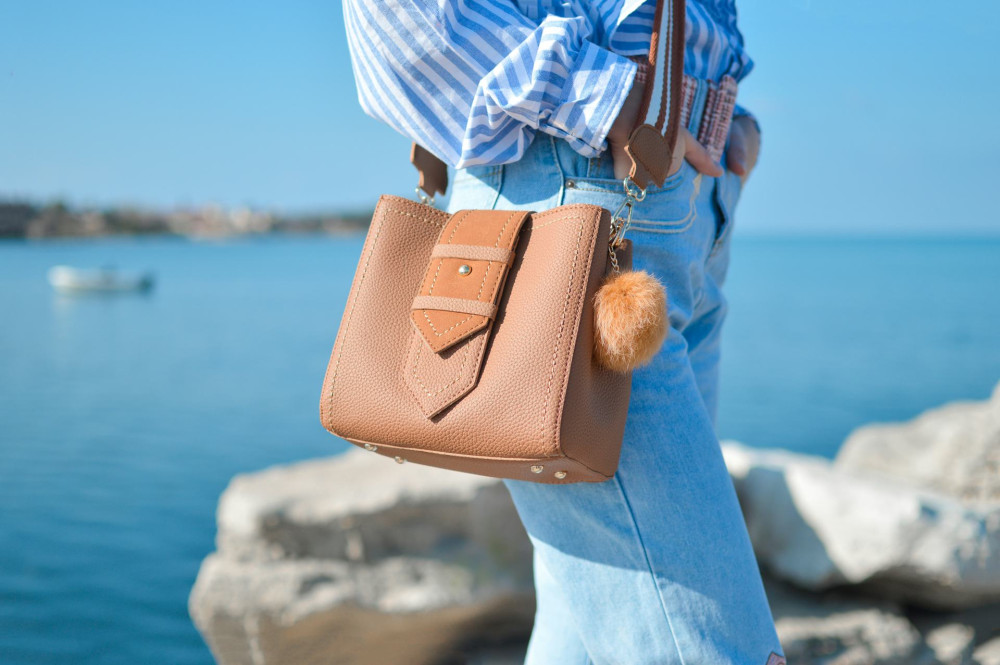
Sense of Texture: How a Bag’s Material Shapes the Perception of Quality


Sense of Texture: How a Bag’s Material Shapes the Perception of Quality
When we choose a bag, it’s rarely just about design or practicality. The material—the texture we feel between our fingers—plays a crucial role in how we perceive quality. A bag might look stylish from a distance, but it’s only when we touch it that we decide whether it feels luxurious, sturdy, or cheap. Our sense of texture is deeply tied to our sense of value.
First Impressions Are in the Surface
People form judgments about quality within seconds, and the surface of a material is often the first cue. A soft, supple leather bag suggests craftsmanship and luxury, while a stiff synthetic surface can feel more industrial or utilitarian. It’s not only about looks—it’s about how the material communicates durability and authenticity.
Consumer research shows that we subconsciously associate certain textures with specific values. Natural materials like leather, cotton, and wool often evoke warmth and authenticity, while synthetics can suggest innovation and performance. That’s why designers carefully select materials that align with their brand’s story—whether it’s timeless elegance or modern functionality.
The Living Character of Leather
Leather remains one of the most iconic materials for bags—and for good reason. It changes over time, developing a patina and becoming softer with use. This evolution gives it a sense of life and individuality that many people equate with quality. A leather bag can feel like an investment that grows more personal with age.
But not all leather is created equal. Full-grain leather, which retains its natural texture, is often perceived as more premium than sanded or coated varieties that look uniform. The subtle irregularities in the surface signal authenticity—and it’s precisely those imperfections that make the material feel real and interesting.
Læs også:



Fabrics That Speak to the Senses
Textile and nylon bags have their own tactile appeal. A tightly woven canvas feels solid and dependable, while a smooth nylon surface conveys lightness and modern practicality. As sustainability becomes a stronger priority for American consumers, recycled fabrics and plant-based fibers are gaining popularity. They not only feel good to the touch but also communicate environmental responsibility.
For many buyers, the perception of quality now extends beyond luxury—it includes ethics. A material that feels natural and sustainable can evoke the same sense of quality as traditional leather, just in a different way.
The Details Make the Difference
Even the smallest elements—zippers, stitching, linings—shape our overall impression. A zipper that glides smoothly or a seam that feels tight and precise reinforces the sense of quality. Conversely, a rough edge or loose thread can make an otherwise beautiful bag seem poorly made.
Designers therefore focus not only on how a bag looks but also on how it feels in the hand. They test how materials respond to pressure, how they age, and how they interact with other components. It’s a craft that blends aesthetics, ergonomics, and psychology.
When Touch Becomes Part of Value
Ultimately, the perception of quality is a sensory experience. We judge not only with our eyes but with our hands. A bag that feels comfortable, solid, and authentic builds trust—and that feeling is what makes us reach for it again and again.
Having a sense of texture is about more than design; it’s about understanding how materials shape our perception of worth. The right surface can transform a bag from something merely functional into something that feels like an extension of personal style.
Læs også: