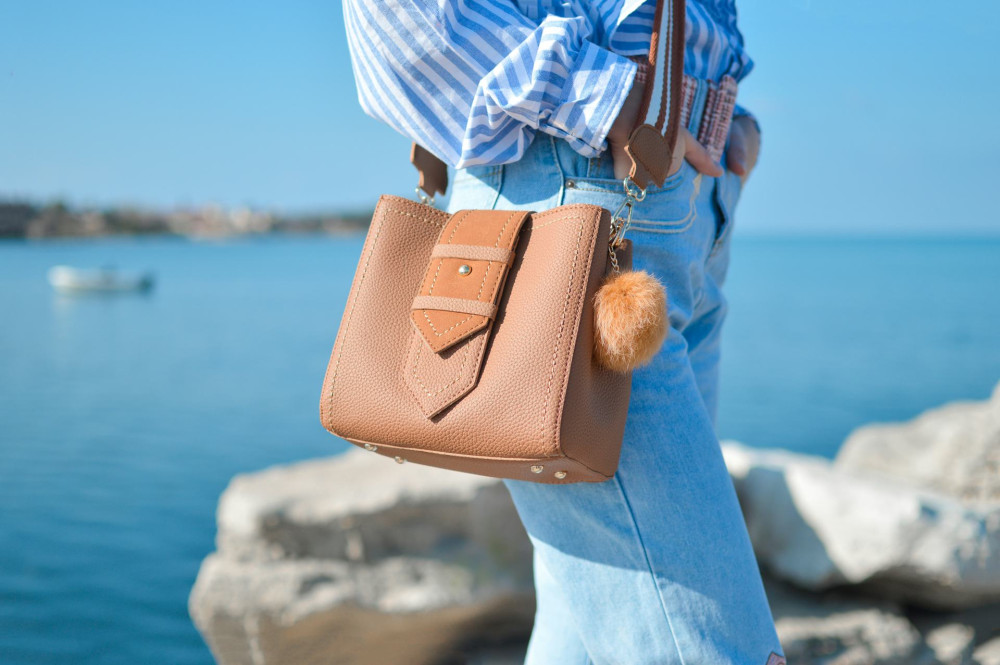
Worn-Out Men’s Bags? How to Tell When It’s Time to Replace Yours


Worn-Out Men’s Bags? How to Tell When It’s Time to Replace Yours
A good men’s bag is more than just a way to carry your essentials—it’s part of your personal style, a daily companion, and often a reflection of your lifestyle. But even the best-made bag won’t last forever. Leather cracks, zippers jam, and shapes lose their structure over time. The question is: how do you know when it’s time to retire your old bag and invest in a new one? Here’s a guide to help you decide whether your bag still has life left—or if it’s time to move on.
Check the Material – It Tells the Story
The material is the first place to look when assessing your bag’s condition. Leather, canvas, and synthetic fabrics all age differently, but each shows clear signs of wear as time goes by.
- Leather: Cracks, dryness, and fading are signs that the leather has lost its natural oils and flexibility. If it feels stiff or brittle, even the best conditioner may not bring it back.
- Canvas: Frayed corners, thinning fabric, or stains that won’t come out suggest the material is wearing down.
- Synthetic materials: Peeling coatings or surface cracks mean the bag has reached the end of its lifespan.
A quick test: does the bag still feel sturdy and supple, or does it seem tired and dry? The feel often reveals more than the look.
Functionality – Does Everything Still Work?
A bag should not only look good but also perform well. Check zippers, buckles, straps, and stitching. If you struggle to open a pocket or the shoulder strap keeps slipping, it’s a sign the bag isn’t doing its job anymore.
- Zippers that stick or come undone on their own can sometimes be replaced, but often they indicate overall wear.
- Stitching that’s coming loose can cause the bag to lose shape or strength.
- Handles and straps should feel secure—if they’re stretching or fraying, you risk a sudden break when you least expect it.
If you use your bag daily for work or travel, reliability is key. A weak strap or broken zipper can quickly turn into a real inconvenience.
Appearance – Patina or Plain Old Wear?
There’s a fine line between a handsome patina and plain deterioration. A leather bag with a soft sheen and a few scuffs can have character, but uneven color, stains, or a misshapen form usually just look worn out.
Ask yourself: does the bag look well cared for, or like it’s survived one too many commutes and rainstorms? If you find yourself leaving it at home for meetings or events because it looks too shabby, that’s a clear sign it’s time for a replacement.
Your Needs May Have Changed
Sometimes it’s not just wear and tear that signals it’s time for a new bag—your lifestyle might have evolved. Maybe you’ve switched jobs and now need space for a larger laptop, or you’re commuting by bike and need something lighter and more ergonomic.
A bag that once fit your routine perfectly can quickly feel impractical if your daily habits change. It’s worth considering whether your current bag still matches your needs—both functionally and stylistically.
Repair or Replace?
Before tossing your old bag, see if it can be repaired. Many leather repair shops or cobblers can replace zippers, restitch straps, or restore leather with professional care. This can be a sustainable and cost-effective option, especially if the bag has sentimental value.
However, if the repair costs nearly as much as a new bag—or if the material is too far gone—it’s usually wiser to invest in something new. A quality bag is an investment that, with proper care, can last for years.
Læs også:



How to Extend the Life of Your Next Bag
When you finally decide to upgrade, think long-term. Choose a bag made from durable materials and maintain it regularly. Use leather conditioner or fabric protector, avoid overstuffing it, and store it in a cool, dry place when not in use.
A well-cared-for bag ages gracefully and can remain a staple in your wardrobe for years—without losing its function or style.
Læs også: