Comfort and Climate: How Consumers Are Shaping the Future of Sportswear


Comfort and Climate: How Consumers Are Shaping the Future of Sportswear
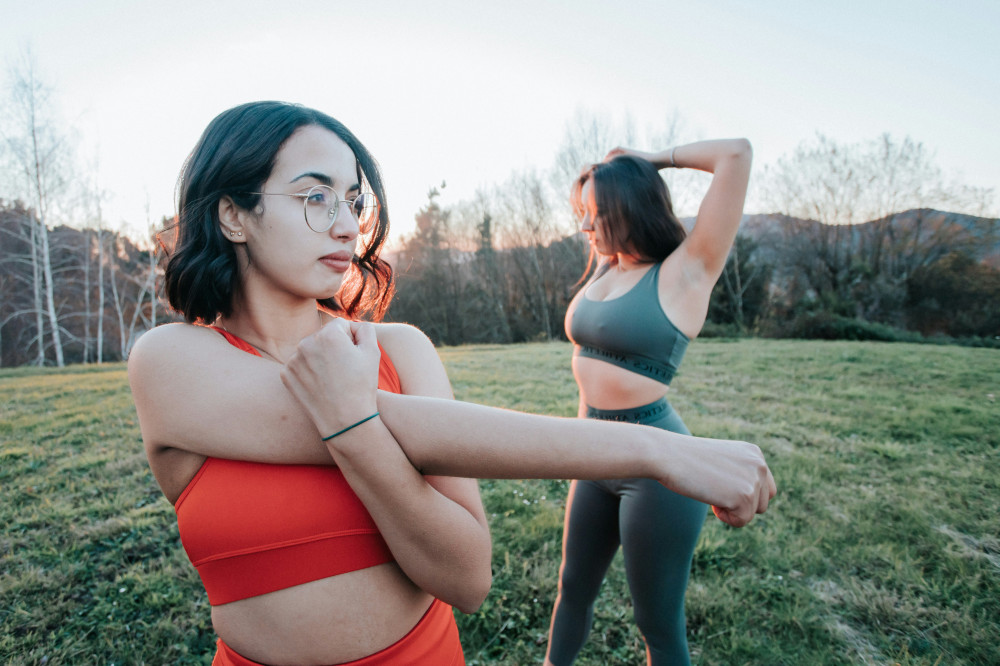
Sportswear is no longer just for the gym. It has become part of everyday life—a reflection of personal style and values. Across the United States, consumers are demanding apparel that feels good, performs well, and aligns with their environmental concerns. As comfort and climate awareness merge, brands are rethinking how they design, produce, and market their products. The result is a transformation that’s reshaping the entire sportswear industry.
From Performance Gear to Everyday Wear
The rise of “athleisure” has blurred the line between workout clothes and streetwear. Americans want apparel that moves with them—from morning runs to remote work to weekend errands. Comfort has become a lifestyle priority, and sportswear brands are responding with fabrics that stretch, breathe, and adapt to different activities.
Technical materials once reserved for professional athletes—like moisture-wicking fibers, seamless construction, and temperature-regulating textiles—are now standard in everyday collections. The focus is on versatility: clothing that supports both performance and personal expression. In a culture that values convenience and self-care, comfort has become a form of empowerment.
Sustainability Takes Center Stage
At the same time, U.S. consumers are increasingly aware of the environmental cost of fashion. Surveys show that younger generations, in particular, are willing to pay more for sustainable products. They want to know where their clothes come from, how they’re made, and what impact they have on the planet.
This shift in mindset is pushing brands to innovate. Major players are investing in recycled polyester, organic cotton, and plant-based fibers. Some are experimenting with dyeing processes that use less water or energy, while others are moving production closer to home to reduce transportation emissions. Smaller, independent labels are leading the way with slow-fashion principles—creating timeless designs meant to last for years rather than seasons.
Technology and Smart Textiles
The future of sportswear is also being shaped by technology. Smart fabrics can now respond to body temperature, wick away sweat more efficiently, and even track biometric data. Some companies are developing garments with built-in sensors that monitor heart rate or movement, offering athletes real-time feedback without sacrificing comfort.
Digital manufacturing is another game-changer. 3D knitting and computer-guided cutting allow for precise fits and minimal waste. These innovations not only improve performance but also make production more sustainable. As technology becomes more accessible, personalized and eco-friendly sportswear is moving from concept to reality.
Repair, Reuse, and Circular Design
Consumers are also challenging the throwaway culture of fashion. More brands are introducing take-back programs, where used garments are collected and recycled into new products. Others offer repair services or replacement parts—like zippers and drawstrings—to extend the life of their apparel.
This circular approach reflects a broader cultural shift toward mindful consumption. Instead of constantly buying new, many Americans are choosing to invest in quality pieces that can be repaired, resold, or repurposed. For the sportswear industry, this means reimagining business models that prioritize longevity over volume.
Læs også:


The Future: Personal, Responsible, and Comfortable
Looking ahead, the direction is clear: the next generation of sportswear will be both high-tech and low-impact. Consumers expect brands to deliver performance and responsibility in equal measure. Comfort and climate are no longer competing priorities—they’re two sides of the same story.
As innovation continues, the most successful sportswear brands will be those that listen closely to their customers, embrace transparency, and design with both people and the planet in mind. The future of sportswear isn’t just about what we wear—it’s about how we choose to live.
Læs også: