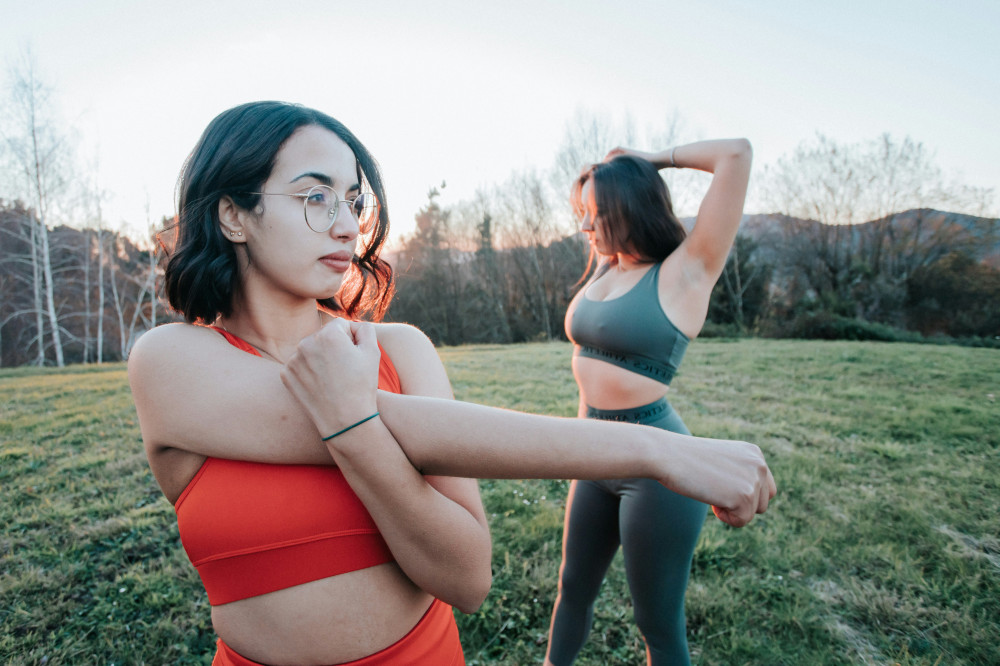
Sports Underwear as a Base Layer: How to Choose and Use It by Climate and Season

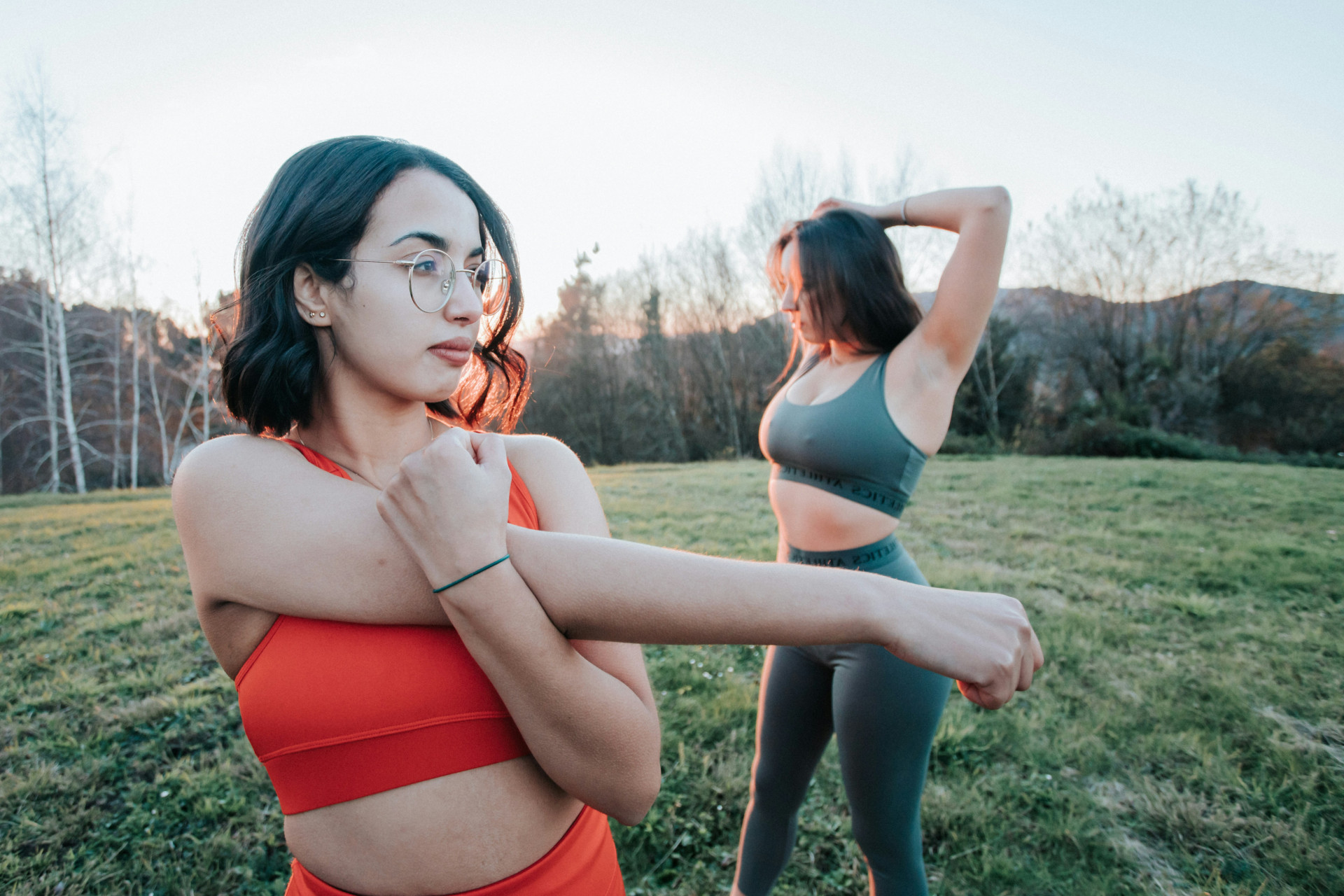
Sports Underwear as a Base Layer: How to Choose and Use It by Climate and Season
Sports underwear is more than just an extra layer under your workout clothes—it’s the foundation for comfort, temperature control, and performance. Whether you’re running in a Midwest winter, hiking in the Rockies, or cycling through a humid Southern summer, your base layer plays a key role in how your body handles heat, cold, and sweat. Here’s a guide to choosing and using sports underwear as a base layer throughout the year.
Why the Base Layer Matters
The base layer sits directly against your skin. Its main job is to move moisture away from your body so you don’t end up cold and clammy. When you sweat, that moisture needs to evaporate quickly to help your body maintain a stable temperature.
A good base layer should:
- Wick moisture efficiently – to keep your skin dry.
- Regulate temperature – to prevent overheating or chilling.
- Fit close without constricting – to move with your body comfortably.
The material and fit determine how well your base layer performs in different climates and seasons.
Materials: Wool, Synthetic, or a Blend?
Your choice of material depends on your activity level and the conditions you’ll face.
- Merino wool: A natural fiber that insulates and wicks moisture at the same time. It stays warm even when damp and resists odor better than synthetics. Ideal for winter sports, hiking, and lower-intensity workouts.
- Synthetic fibers (polyester, nylon, spandex): Lightweight, quick-drying, and durable. Great for high-intensity activities like running, cycling, or gym workouts where you sweat a lot.
- Blends: Combine the warmth of wool with the fast-drying performance of synthetics. A versatile choice for variable weather and year-round use.
Avoid cotton—it absorbs moisture and stays wet, which can make you cold and uncomfortable.
Summer: Light and Breathable
In summer, the goal is to stay cool and dry. Choose a lightweight, synthetic base layer with excellent ventilation. Many warm-weather models feature mesh panels or zones designed for extra breathability.
Tips for summer use:
- Go for short sleeves or sleeveless designs.
- Pick light colors that reflect sunlight.
- Look for fabrics with built-in UV protection if you train outdoors.
For running, cycling, or hiking in hot conditions, a thin base layer can actually help prevent chafing and wick sweat away before it causes irritation.
Spring and Fall: Flexibility Is Key
Transitional seasons bring unpredictable weather, so flexibility matters. Layering is your best strategy. A midweight base layer made from synthetic or blended fabric offers comfort across a range of temperatures.
- Pair it with a light jacket or pullover you can remove as needed.
- Choose long sleeves for cooler mornings and evenings.
- Make sure your outer layers breathe well—avoid overly tight or non-breathable shells.
A good base layer in these seasons helps you stay warm when it’s chilly and comfortable when the sun comes out.
Læs også:



Winter: Insulation and Warmth
When the temperature drops, your base layer becomes your first line of defense against the cold. Merino wool or wool-blend fabrics are the top choices for winter. They trap heat, wick moisture, and feel soft against the skin.
- Wear long sleeves and full-length bottoms.
- Choose a snug fit to retain warmth.
- Add a mid-layer (like fleece or wool) and a windproof outer shell for full protection.
For winter running, skiing, or cold-weather cycling, your base layer must balance warmth and moisture control—otherwise, sweat can chill you once you stop moving.
Caring for Your Sports Underwear
Proper care extends the life and performance of your base layers.
- Wash in cold or warm water (86–104°F).
- Use mild detergent and skip fabric softeners—they can damage fibers.
- Air dry or tumble dry on low heat.
- Wash wool with a wool-specific detergent to maintain softness and elasticity.
With the right care, quality base layers can last for years of training and outdoor adventures.
Find What Works for You
There’s no single perfect base layer for everyone. The right choice depends on your activity, local climate, and personal comfort. Some athletes love the natural feel of wool, while others prefer the lightweight performance of synthetics.
The key is to choose a base layer that helps your body work with the environment—not against it. Once you find the right one, you’ll notice how much better you feel and perform, no matter the season or sport.
Læs også: