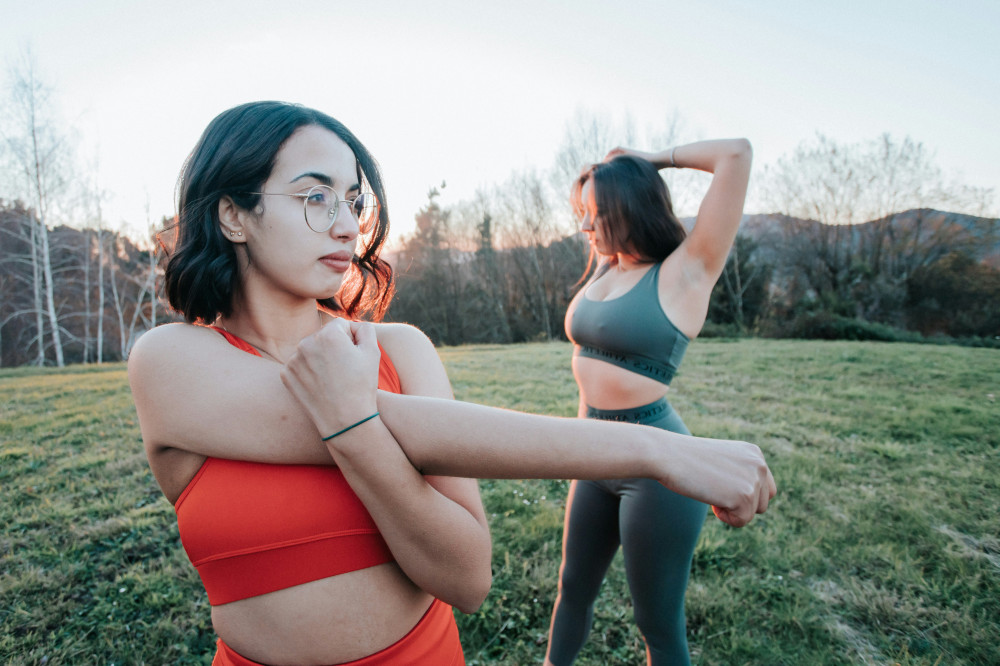
The Importance of Fit for Freedom of Movement, Support, and Ventilation

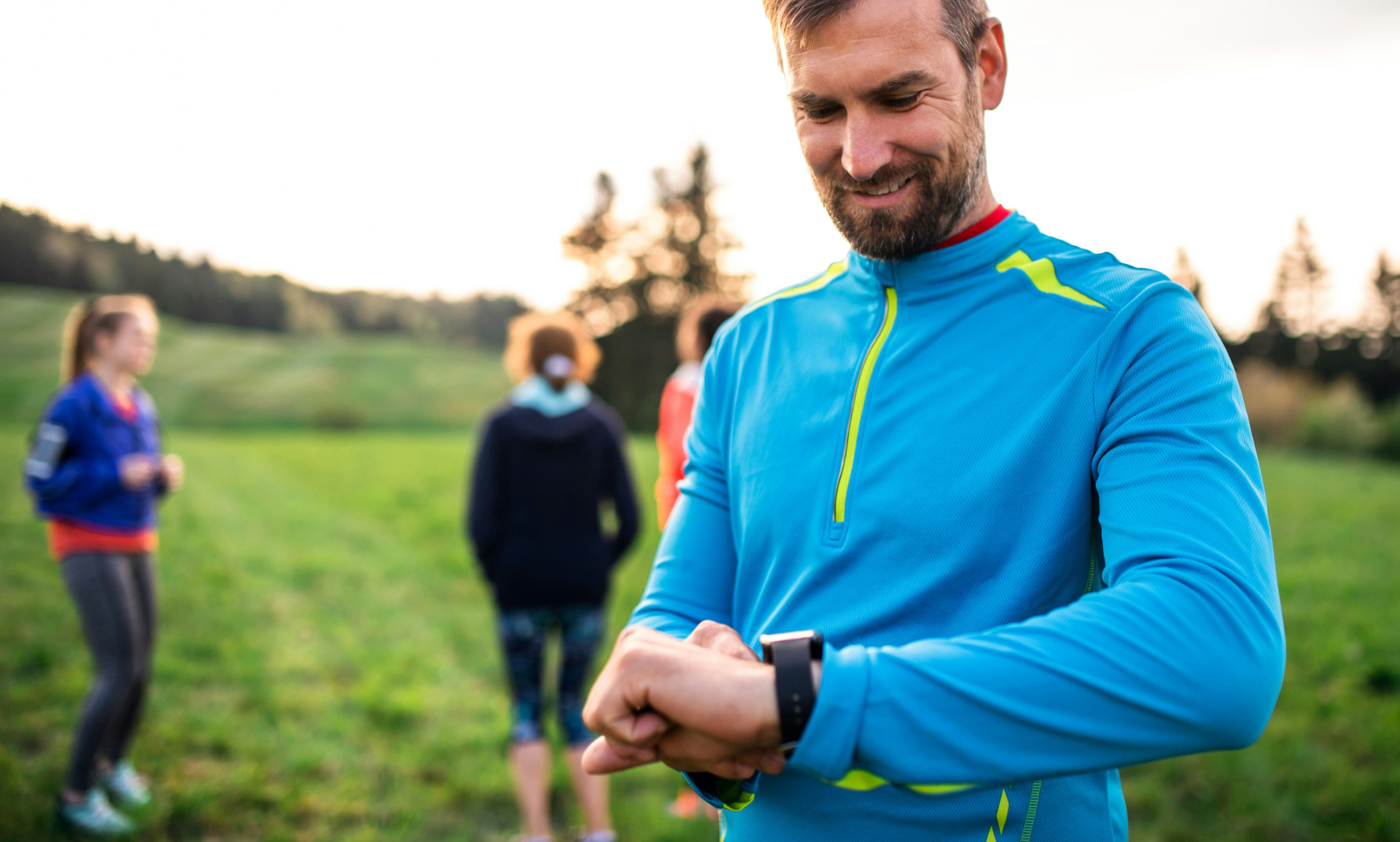
The Importance of Fit for Freedom of Movement, Support, and Ventilation
When choosing activewear, it’s not just about color or style. The way your clothes fit plays a crucial role in how they feel, function, and perform—whether you’re running, cycling, practicing yoga, or lifting weights. The right fit can make the difference between a workout that feels effortless and one where you’re constantly adjusting your gear. In this article, we’ll explore how fit affects freedom of movement, support, and ventilation—and how to find what works best for your body and activity.
Freedom of Movement – When Clothes Move With You
Freedom of movement means your clothes should allow you to move naturally without pinching, riding up, or restricting your range of motion. This is especially important in activities that involve dynamic or multi-directional movement, such as yoga, dance, or functional training.
A good starting point is to look for stretchy, flexible materials that move with your body. Many modern performance fabrics include spandex or similar fibers that provide elasticity without losing shape. Seam placement also matters—flat seams or strategically placed panels can prevent irritation during repetitive motion.
For high-intensity activities like running or cycling, a closer fit can be beneficial. It reduces drag and prevents fabric from flapping in the wind. On the other hand, a looser fit may be more comfortable for low-intensity workouts or recovery days, where breathability and comfort take priority.
Support – When Clothing Helps Your Body
Support in activewear is about giving your body stability and reducing strain. This is particularly important for women, where a properly fitted sports bra is essential to protect breast tissue during movement. But support also matters in compression tights, tops, and socks designed to keep muscles stable and improve circulation.
Compression wear provides gentle pressure on the muscles, which can help reduce fatigue and enhance recovery. Fit is key here—too loose, and the benefits disappear; too tight, and it can restrict blood flow. The goal is to find that balance where the garment feels like a natural extension of your body.
For strength training or explosive movements, a supportive fit can add stability around the core and joints, helping improve form and reduce the risk of injury.
Ventilation – When Your Body Needs to Breathe
During physical activity, your body generates heat and sweat. That’s why ventilation is a vital part of fit. Even the most breathable fabric can feel heavy and sticky if it’s too tight or covers too much of the body.
Many brands now design garments with zoned construction, where fabric density and texture vary depending on where your body needs more airflow. For example, the back and underarms might feature lighter, more open-knit panels, while areas that need support are more fitted.
A good fit for warm conditions is one that allows air circulation without compromising movement. Features like mesh panels, looser sleeves, or open-back designs can help your body regulate temperature, keeping you cooler and more comfortable as you train.
How to Find the Right Fit
Finding the perfect fit takes a bit of trial and attention to detail. Here are a few tips:
- Match the fit to the activity: Running gear should fit differently than yoga apparel. Choose based on movement patterns and intensity.
- Test it in motion: Do a few stretches, squats, or jumps in the fitting room—this quickly reveals whether the clothing moves with you.
- Check seams and elastic bands: They should support, not dig in or chafe.
- Remember that fit can change over time: Fabrics may stretch slightly after wear and washing. If the material is elastic, a slightly snug fit at first is often ideal.
The best fit is the one you barely notice—because it lets you focus on your movement, not your clothes.
Læs også:
Fit as Part of Performance
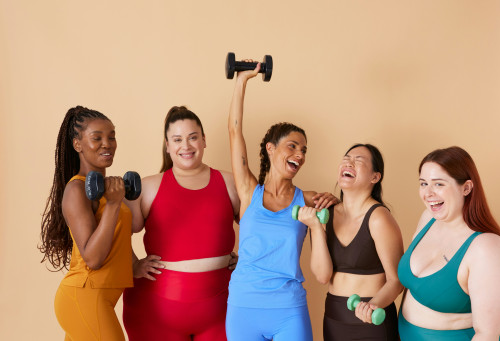
Fit isn’t just about comfort—it’s about performance. When your clothing fits properly, it works with your body instead of against it. It supports your muscles, helps regulate temperature, and gives you the freedom to move naturally.
Whether you’re training for fun or competing at a high level, it’s worth investing time in finding the fit that’s right for you. It might be the small detail that makes a big difference—in how you feel, how you move, and how you perform.
Læs også: