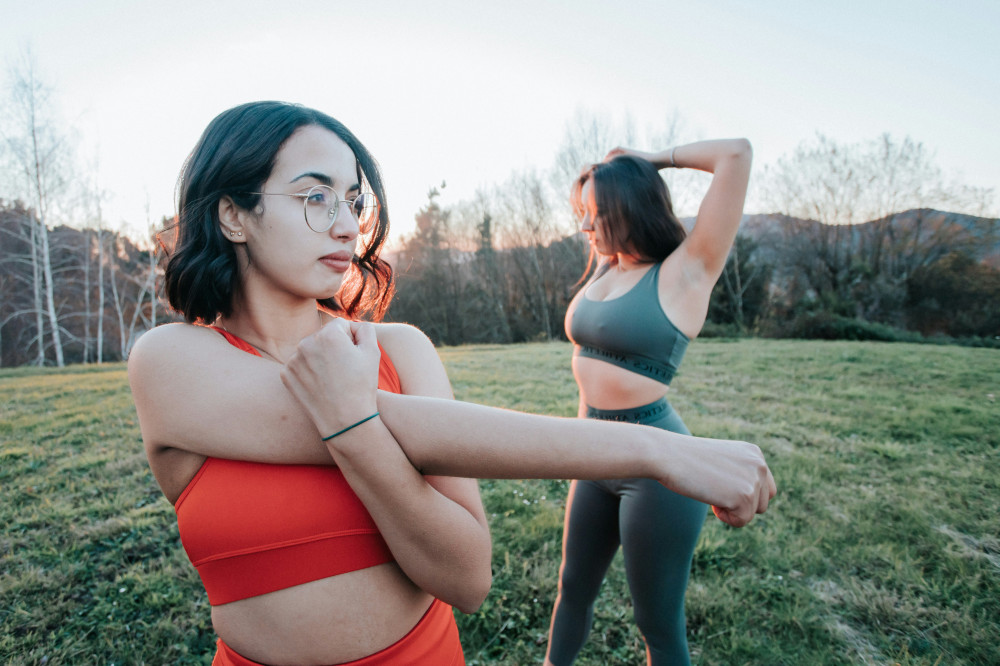
Compression Clothing Before and After Workouts – What’s the Difference, and How Can You Get the Most Out of It?

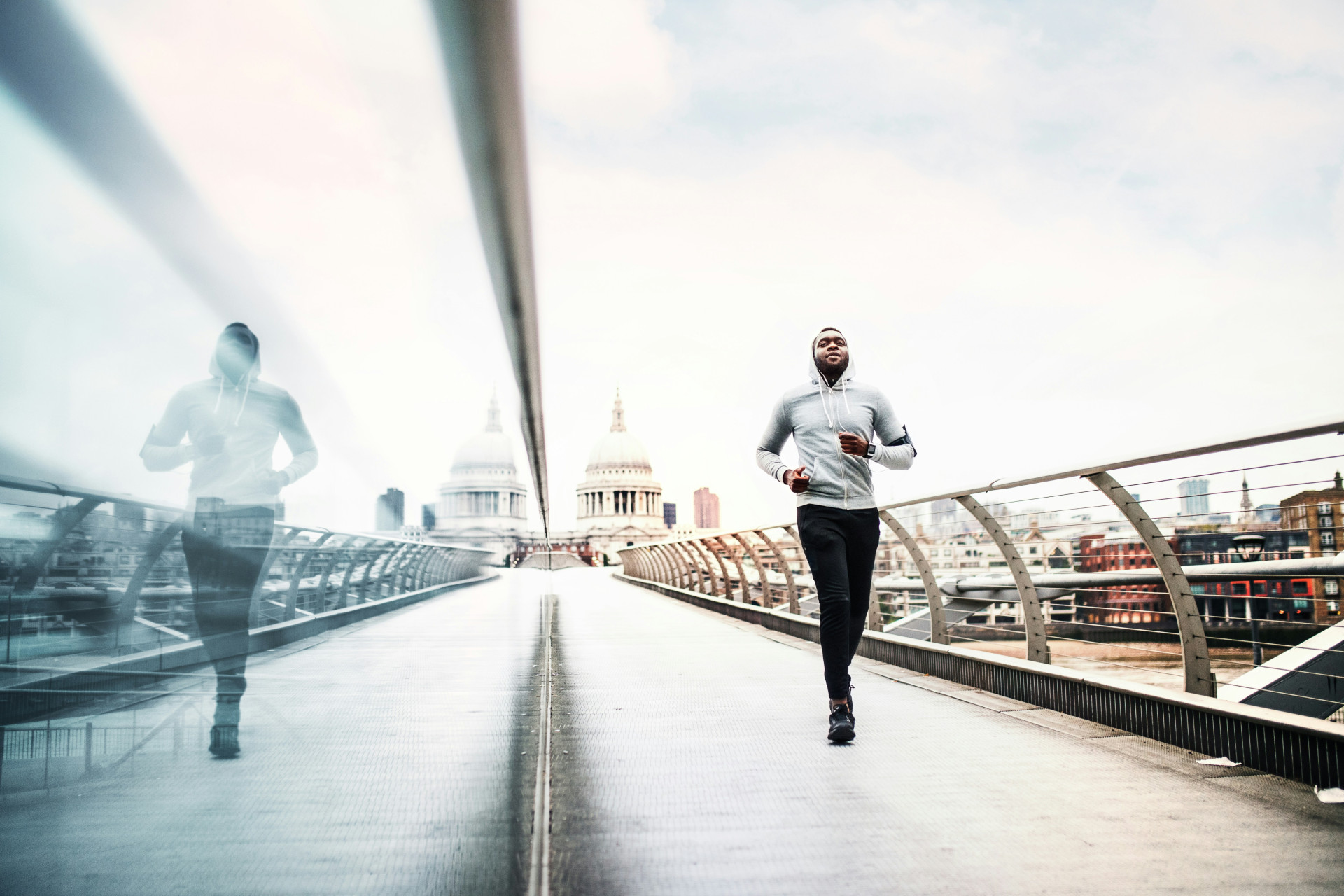
Compression Clothing Before and After Workouts – What’s the Difference, and How Can You Get the Most Out of It?
Compression clothing has become a staple in many athletes’ wardrobes—from runners and cyclists to weightlifters and team sport players. But while those tight-fitting leggings, socks, and tops may look similar, how they work can depend on when you wear them: before, during, or after your workout. Here’s what the research says, and how you can make the most of your compression gear.
What Is Compression Clothing—and How Does It Work?
Compression clothing is designed to apply gentle, consistent pressure to your muscles. This pressure is meant to improve blood circulation, support muscle alignment, and reduce vibration during movement. The idea is that it can enhance performance, reduce fatigue, and speed up recovery.
There are different levels of compression—from light support to medical-grade pressure. For sports and fitness, moderate compression is most common, offering support without restricting movement.
Before and During Workouts: Support and Performance
When you wear compression clothing before and during exercise, the goal is to optimize performance and comfort.
- Warm-up: Compression gear can help keep muscles warm and promote blood flow, helping you get ready for activity more quickly.
- During exercise: Many athletes say compression clothing gives them a sense of stability and body awareness. It can be especially helpful for runners, as it may reduce muscle vibration and lower the risk of minor strains.
- Mental boost: For some, compression gear provides a psychological edge—a feeling of readiness, like putting on a uniform that signals it’s time to perform.
Scientific studies show that while compression clothing doesn’t usually make you faster or stronger, it can improve comfort and reduce the perception of fatigue, which can make a difference in how long and how hard you train.
After Workouts: Recovery and Reduced Soreness
Once your workout is over, the purpose of compression clothing shifts to recovery.
After intense exercise, your muscles accumulate waste products and experience microscopic damage that leads to soreness. Compression gear can help increase blood flow and reduce swelling, which may shorten recovery time.
Several studies suggest that athletes who wear compression clothing after training experience less muscle soreness and faster recovery of strength. The effect isn’t dramatic, but it’s noticeable—especially if you train frequently or have back-to-back sessions.
How to Get the Most Out of Your Compression Gear
To maximize the benefits, it’s important to use compression clothing correctly and choose the right type for your needs.
- Find the right fit: Compression gear should feel snug but not so tight that it restricts circulation.
- Match the compression to the phase: Use lighter compression during workouts and consider stronger compression for post-exercise recovery.
- Mind the duration: After training, keep your compression gear on for 1–3 hours—or longer if you’ve had a particularly tough session.
- Combine with other recovery methods: Compression works best alongside good sleep, hydration, nutrition, and active recovery.
When Does It Make the Most Sense?
Compression clothing isn’t a magic solution, but it can be a useful tool—especially if you train regularly or at a high level.
- For runners and cyclists, it can help reduce leg fatigue on long sessions.
- For strength training, it can improve body awareness and provide extra support during heavy lifts.
- For recovery, it can help you bounce back faster between workouts.
For recreational athletes, it’s often about comfort and confidence—and if compression clothing makes you feel better, it’s likely helping in more ways than one.
Læs også:
Conclusion: Small Differences, Big Impact on How You Feel
The difference between wearing compression clothing before and after workouts comes down to purpose: before and during is about support and performance, while after is about recovery. Even though the physiological effects may be modest, many athletes notice clear improvements in comfort, stability, and recovery. And in the end, that feeling can be exactly what keeps you training better—and more often.
Læs også: