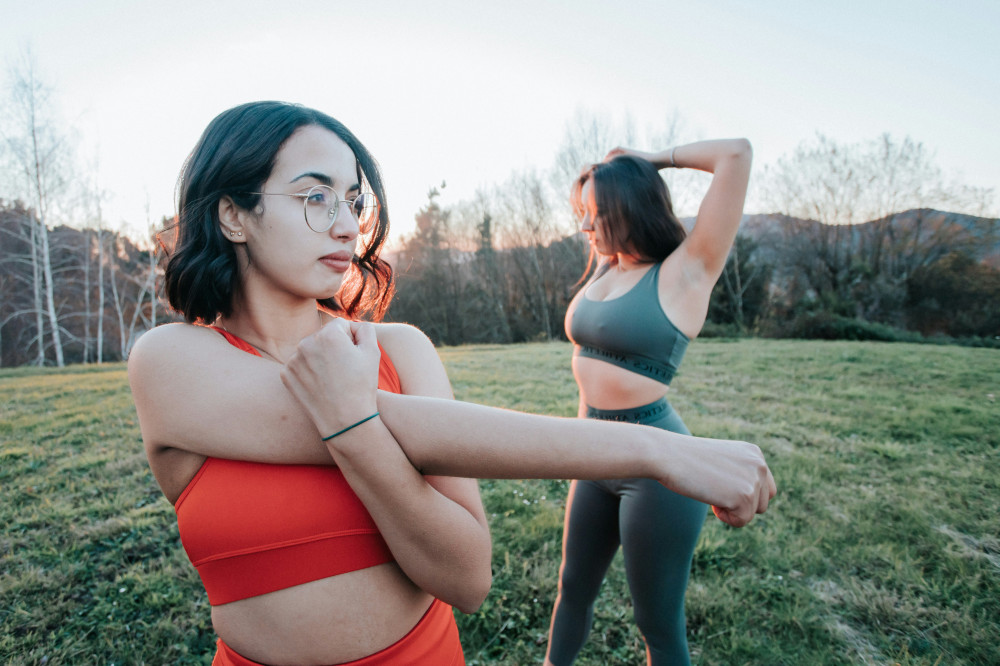
The Right Sports Bra for Strength Training: Balancing Support, Comfort, and Freedom of Movement

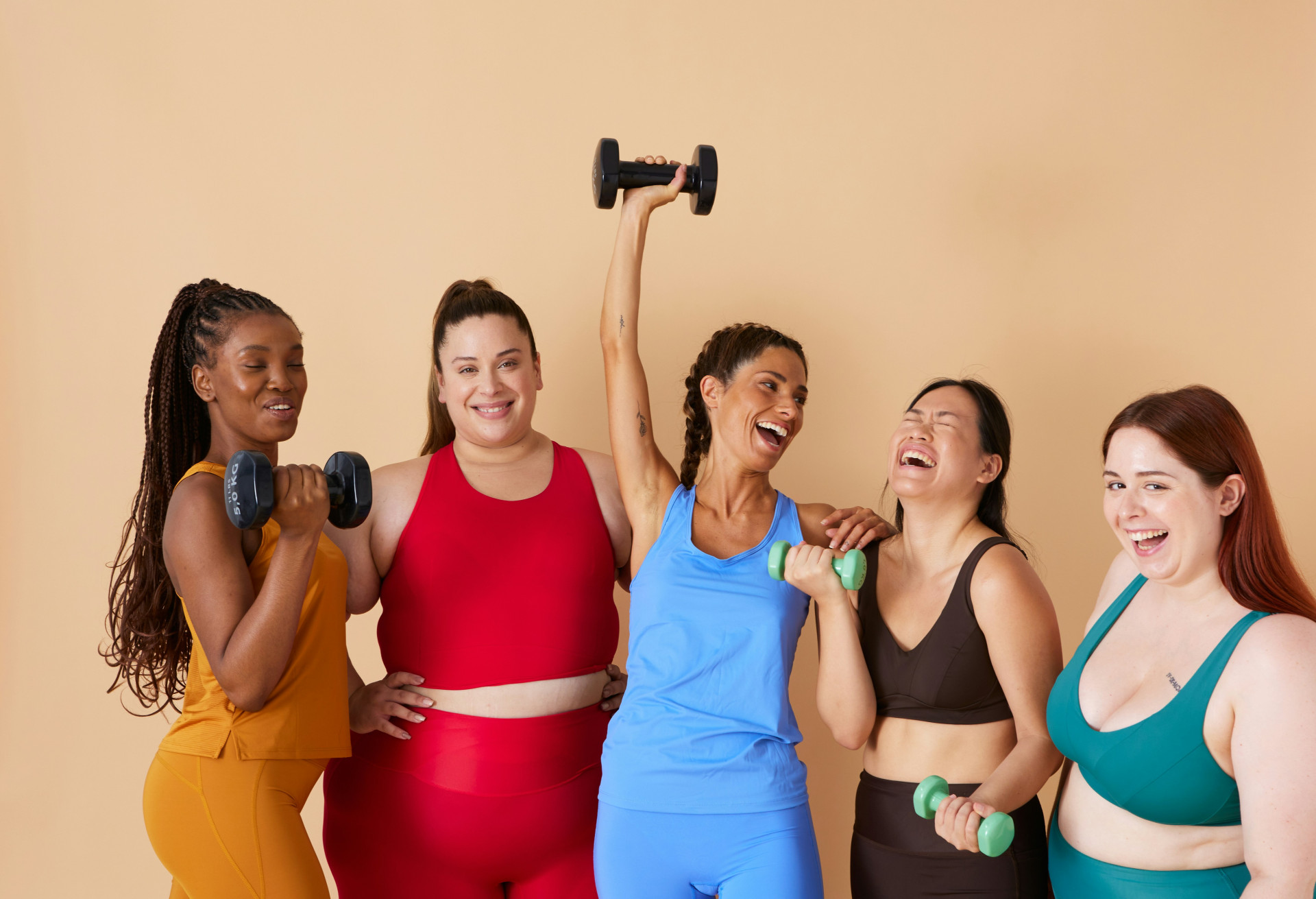
The Right Sports Bra for Strength Training: Balancing Support, Comfort, and Freedom of Movement
When you’re lifting weights, doing squats, or working through a circuit of kettlebell swings, your sports bra needs to do more than just look good. It should provide the right amount of support without restricting your movement, and it should feel comfortable—even during your toughest sessions. But how do you find that perfect balance between support, comfort, and freedom of movement? Here’s a guide to choosing the best sports bra for strength training.
Why Support Still Matters
While strength training doesn’t involve the same high-impact motion as running or jumping sports, support is still important. During exercises like burpees, box jumps, or dynamic full-body movements, your chest can move more than you might expect. A well-designed sports bra minimizes that movement, reducing discomfort and protecting delicate tissue.
For most strength workouts, you don’t need the maximum support level designed for running. Instead, look for medium support—enough to keep everything in place without feeling tight or restrictive.
Comfort: The Key to Consistency
A sports bra should feel like a natural part of your body, not a piece of gear you can’t wait to take off. Comfort depends on several factors:
- Fabric: Choose breathable, moisture-wicking materials like nylon, polyester, or spandex. These fabrics help keep you dry and reduce chafing.
- Seams and edges: Flat seams and soft elastic bands make a big difference, especially if you train several times a week.
- Fit: A bra that’s too tight can restrict breathing or dig into your shoulders and ribs. It should fit snugly but still allow you to breathe and move freely.
A good test is to move around in the fitting room—raise your arms, twist your torso, or do a few air squats. If the bra stays in place and feels comfortable, you’re on the right track.
Freedom of Movement: Where Function Meets Form
Strength training often involves full-body movements that require unrestricted shoulder and upper-body mobility. Your sports bra should move with you, not against you.
- Racerback designs offer great support while allowing full range of motion—perfect for exercises like bench presses, pull-ups, and overhead lifts.
- Wire-free styles are often preferred for lifting, as they feel more flexible and comfortable under heavy loads.
- Removable pads can be useful if you want to adjust coverage or shape depending on your workout.
Freedom of movement also means your bra should work well with the rest of your training outfit. A bra that rides up or straps that slip off your shoulders can quickly become a distraction.
Finding the Right Level of Support
Sports bras generally come in three support levels: low, medium, and high. For most strength training routines, medium support is ideal—it provides stability without feeling overly tight. If your workouts include high-intensity intervals or cardio bursts, you might prefer a high-support option.
Women with larger busts may benefit from adjustable straps and back closures for a more customized fit. Those with smaller busts might find pull-over styles more comfortable and simple to wear.
How to Know You’ve Found the Right One
A great sports bra should meet three key criteria:
- It stays in place—no matter if you’re doing squats, push-ups, or overhead presses.
- It feels comfortable—even after an hour of training.
- It allows full movement—so you can focus on your workout, not your gear.
If you find yourself constantly adjusting straps or feeling pressure points, it’s a sign the fit isn’t quite right.
Care and Longevity
Even the best sports bras lose elasticity over time. To extend their lifespan, wash them gently—preferably in cold water and without fabric softener—and let them air dry. This helps preserve both the fabric and the support. As a general rule, replace your sports bra every 6 to 12 months if you train regularly.
Læs også:


An Investment in Your Training Comfort
The right sports bra isn’t just about style—it’s about performance and well-being. When you feel supported and comfortable, you can focus on what really matters: your training. With the right balance of support, comfort, and freedom of movement, your sports bra becomes a piece of gear that works with you, not against you.
Læs også: